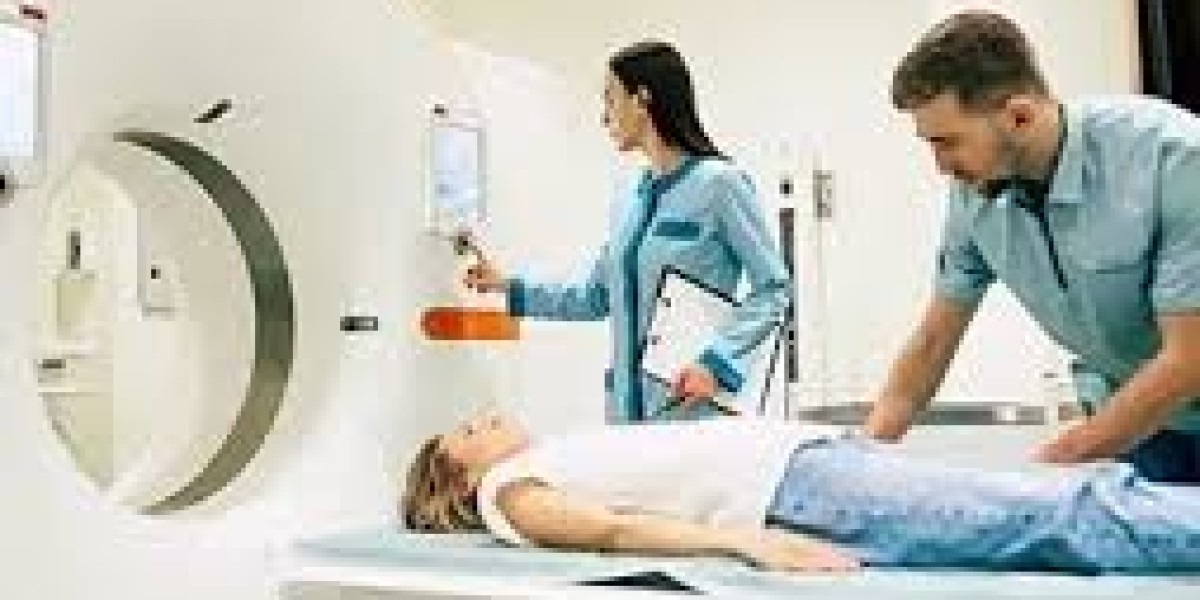

What Happens During a PFT Appointment? A Patient's Step-by-Step Guide
A pulmonary function assessment measures how effectively your lungs move air, hold air, and transfer gases. If you have been advised to undergo testing, understanding the appointment process can make the experience easier. Before choosing a PFT test near me service for your breathing assessment, it helps to know what happens before, during, and after the procedure.
Many people feel uncertain because they have never used a spirometer or other respiratory testing equipment. In most routine assessments, the technician provides instructions and guides the patient through the required breathing manoeuvres.
Before the Test: What Information Should You Share?
The quality and safety of a respiratory assessment depend partly on the information provided before testing.
The centre may ask about:
Existing respiratory conditions.
Recent cough, fever, or chest infection.
Current inhalers and other medicines.
Previous lung function reports.
Recent surgery or significant medical events.
Difficulty performing forceful breathing.
These details help the healthcare team decide whether the examination can proceed as scheduled.
When comparing a PFT test near me, also ask whether the centre requires a prescription and whether your requested test includes spirometry alone or additional measurements.
During the Appointment: Understanding the Main Stages
Stage 1: Patient preparation
You may be asked to sit comfortably while the technician records basic information such as height and other relevant details.
Your height, age, and other patient characteristics help the testing system compare your measurements with appropriate reference values.
Stage 2: Using the spirometer
A soft nose clip may be placed over your nose to prevent air escaping through it. You then seal your lips around the mouthpiece.
The technician will generally ask you to:
Breathe in deeply.
Place your lips securely around the mouthpiece.
Blow out as forcefully and completely as instructed.
Continue until the technician tells you to stop.
Repeat the procedure as required.
The equipment records measurements related to airflow and exhaled volume.
Stage 3: Additional testing, if prescribed
Some patients may undergo further assessment after receiving an inhaled bronchodilator. Other procedures may measure lung volumes or gas-transfer capacity.
A PFT test near me appointment should therefore be booked according to the exact test requested rather than a general description of lung testing.
Why Repeating the Breathing Manoeuvre Matters
Spirometry requires active participation. A weak effort, an incomplete breath, coughing during the measurement, or air leaking around the mouthpiece can affect the recorded result.
Technicians may ask patients to repeat the manoeuvre to obtain acceptable and consistent measurements.
This does not necessarily mean the first attempt was unsuccessful. Repetition is a normal part of obtaining reliable breathing measurements.
Preparation Mistakes That Can Affect Your Appointment
Common mistake | Why it matters | Better approach |
Wearing tight clothing | Can restrict comfortable chest movement | Choose loose clothing |
Eating a heavy meal | May cause discomfort during forceful breathing | Follow meal instructions |
Smoking before testing | Can affect respiratory measurements | Follow the centre's smoking restrictions |
Changing inhaler use independently | May affect safety and interpretation | Follow clinician instructions |
Arriving without previous reports | Makes comparison more difficult | Carry relevant records |
Never discontinue prescribed medication independently. Ask the doctor or testing facility whether any temporary adjustment is necessary.
How to Prepare the Day Before
Preparation depends on the type of examination and the patient's medical condition. A useful approach is to confirm the instructions in advance rather than relying on advice from another patient's experience.
If you have booked a PFT test near me, consider the following preparation routine:
Keep your prescription and previous reports ready.
Prepare a list of medicines, including inhalers.
Confirm whether any medication restrictions apply.
Avoid heavy exercise immediately before the appointment if instructed.
Wear comfortable clothing.
Arrive at the scheduled time.
If you develop an acute respiratory illness before your appointment, contact the centre or doctor for guidance.
Two Realistic Patient Scenarios
Example 1: A patient who struggles to blow consistently
A patient attempts spirometry but repeatedly stops exhaling too early. The technician explains how to take a deeper breath and maintain the exhalation effort. After further practice, the patient produces more consistent attempts.
Example 2: A patient using multiple inhalers
A person arrives for testing without knowing whether their regular inhalers should be taken beforehand. Instead of making an independent decision, the person shares the medication list with the technician and follows the prescribing doctor's instructions.
Illustrative Case Study: Better Preparation, Smoother Testing
Consider a hypothetical patient who has been referred for respiratory assessment because of recurring breathlessness.
During the first booking attempt, the patient does not know which examination has been prescribed and has not prepared previous reports.
Before the rescheduled appointment, the patient confirms the exact test, gathers medical records, and checks inhaler instructions with the doctor.
The expected outcome is a more organised appointment with fewer avoidable questions and better information available for clinical interpretation.
Choosing a Centre for Respiratory Assessment
When exploring diagnostic facilities, patients should look for clear communication, appropriate testing availability, and a defined reporting process.
EcoTown Diagnostics provides information about its diagnostic services through its official website. Patients can use the available information to understand the services offered and confirm relevant appointment details.
The centre performing the test does not replace the role of the treating doctor. The final report should be interpreted alongside symptoms and other clinical findings.
Conclusion
A respiratory assessment becomes easier when patients understand the process and prepare appropriately. Knowing how spirometry works, carrying medical information, and following medication instructions can help prevent avoidable complications.
Before booking a PFT test near me, confirm the exact examination and ask the centre for its preparation guidelines.
Frequently Asked Questions
1. Can I feel dizzy during spirometry?
Some people experience temporary light-headedness because the procedure involves repeated deep breaths and forceful exhalation. Inform the technician immediately if you feel uncomfortable.
2. Is spirometry suitable for children?
It can be performed in children who are developmentally able to understand and follow the breathing instructions. Suitability depends on age and clinical circumstances.
3. Should I bring previous reports?
Yes. Previous lung function reports may help the doctor compare measurements over time.
4. Can I take my regular inhaler before testing?
Follow the instructions of your prescribing doctor and the testing facility. Never stop or delay medication independently.
5. When will I receive my results?
Reporting time varies by facility and the complexity of the assessment. Confirm the expected delivery time when booking.