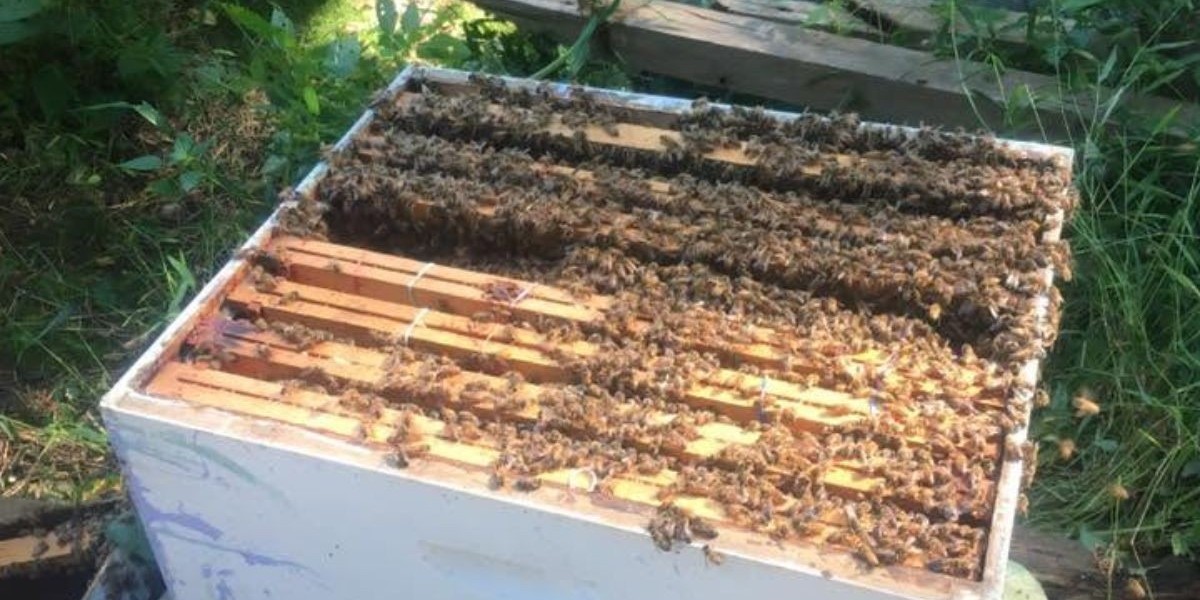

Understanding Bee Nests Around Homes
Bees are valuable insects that play an important role in pollinating flowers, crops, and many types of plants. Their work supports healthy ecosystems and food production. However, when bees build nests inside or around residential properties, they can create safety concerns for homeowners, visitors, and pets. Bee nests are often found in walls, attics, chimneys, roof spaces, trees, and outdoor structures where they are protected from weather and predators.
Why Bee Nests Should Be Handled Carefully
Although bees are generally not aggressive unless they feel threatened, disturbing a nest can cause the colony to defend itself. This may result in multiple stings, especially if someone accidentally gets too close. People with allergies to bee stings face an even greater health risk. Safe and professional removal is the best way to protect both the occupants of the property and the bees themselves.
Benefits of Professional Bee Nest Removal
Hiring Bee Nest Removal Brooklyn NY allows homeowners to rely on experienced specialists who understand bee behavior and safe handling techniques. Professionals carefully inspect the nesting area, identify the bee species, and determine the safest removal method. Whenever possible, they relocate the colony instead of destroying it, helping preserve these important pollinators while resolving the safety concern.
Common Places Where Bees Build Nests
Bees naturally seek quiet and sheltered locations that provide protection for their colony. Around homes, they may build nests inside wall cavities, attic spaces, roof edges, chimneys, sheds, fences, trees, or beneath decks. Some colonies remain hidden for months before homeowners notice increased bee activity. Regular property inspections can help identify bee nests before they become larger and more difficult to remove.
Why Do-It-Yourself Removal Is Not Recommended
Many homeowners attempt to remove bee nests on their own using sprays or household tools, but this approach often creates unnecessary danger. Disturbing the colony without proper equipment may trigger defensive behavior, increasing the chance of multiple stings. Incomplete removal can also leave honeycomb inside walls, attracting pests or encouraging another colony to move into the same location. Professional removal is safer and more effective.
The Professional Removal Process
The removal process begins with a detailed inspection of the property to locate the nest and evaluate its size. Professionals assess the safest way to access the colony while minimizing disruption to the structure. Using protective clothing and specialized equipment, they carefully remove the bees and relocate them whenever possible. After the nest has been removed, the area is cleaned and inspected to reduce the likelihood of future infestations.
The Importance of Early Action
Removing a bee nest soon after it is discovered offers several advantages. Smaller colonies are easier to relocate and usually require less time to remove. Waiting too long allows the colony to grow, increasing the amount of honeycomb and making the removal process more complex. Early intervention also helps reduce the possibility of structural damage caused by expanding hives inside walls or ceilings.
Preventing Future Bee Nests
Once a colony has been removed, homeowners can take practical steps to discourage future nesting. Sealing cracks in walls, repairing damaged siding, closing roof openings, and maintaining outdoor structures reduce potential entry points. Regular inspections of attics, sheds, and exterior spaces also help identify early signs of bee activity before a new colony becomes established.
Choosing a Trusted Removal Specialist
Working with a Trusted bee removal company ensures the removal process is completed safely and responsibly. Experienced professionals understand local regulations, identify different bee species accurately, and use humane relocation methods whenever possible. Their expertise protects both homeowners and the environment while providing long-lasting solutions for bee-related problems.
Environmental Benefits of Bee Relocation
Relocating bee colonies instead of eliminating them supports healthy ecosystems and local agriculture. Bees are responsible for pollinating many fruits, vegetables, flowers, and native plants that depend on their activity. By choosing responsible removal methods, homeowners contribute to protecting bee populations while maintaining a safe living environment for their families.
Maintaining a Safe Home Environment
Routine home maintenance is one of the most effective ways to prevent future bee infestations. Inspecting roofs, chimneys, walls, garages, and outdoor buildings for small openings allows homeowners to repair potential nesting sites before bees move in. Keeping trees trimmed and maintaining clean outdoor spaces also makes the property less attractive for new colonies.
Conclusion
Bee nests should always be handled with care when they appear near residential properties. Professional removal provides a safe, humane, and effective solution that protects families, pets, and surrounding structures while preserving valuable pollinators whenever possible. Early detection, expert relocation, and regular property maintenance help reduce future infestations and support a healthier environment. Choosing experienced professionals ensures that bee nest removal is completed safely, responsibly, and with long-term benefits for both homeowners and nature.