
n old car sitting in the driveway can become a problem when it no longer runs, needs expensive repairs or takes up space that could be used for something else. Many vehicle owners keep putting off the decision to remove an unwanted car because they are unsure what will happen to it afterwards.
However, an old or damaged vehicle can still contain useful materials and components. Instead of allowing it to sit unused for years, vehicle recycling gives many of its parts another purpose. From working engines to metal body panels, several components can be recovered, reused or processed for recycling.
Why Old Vehicles Should Not Be Left Unused
Cars naturally lose their condition as they age. Regular driving, weather exposure, accidents and mechanical problems can eventually make a vehicle unsuitable for everyday use.
Leaving an unwanted car sitting outside for a long time can create several problems.
It takes up valuable driveway or garage space.
Rust and corrosion can affect its body and components.
Old fluids may leak and create environmental concerns.
Registration and insurance costs may continue if the vehicle remains registered.
Its condition may become worse over time.
Removing an unwanted vehicle can help clear space and allow suitable materials to enter the recycling process.
How Car Wreckers Recycle Old Vehicles
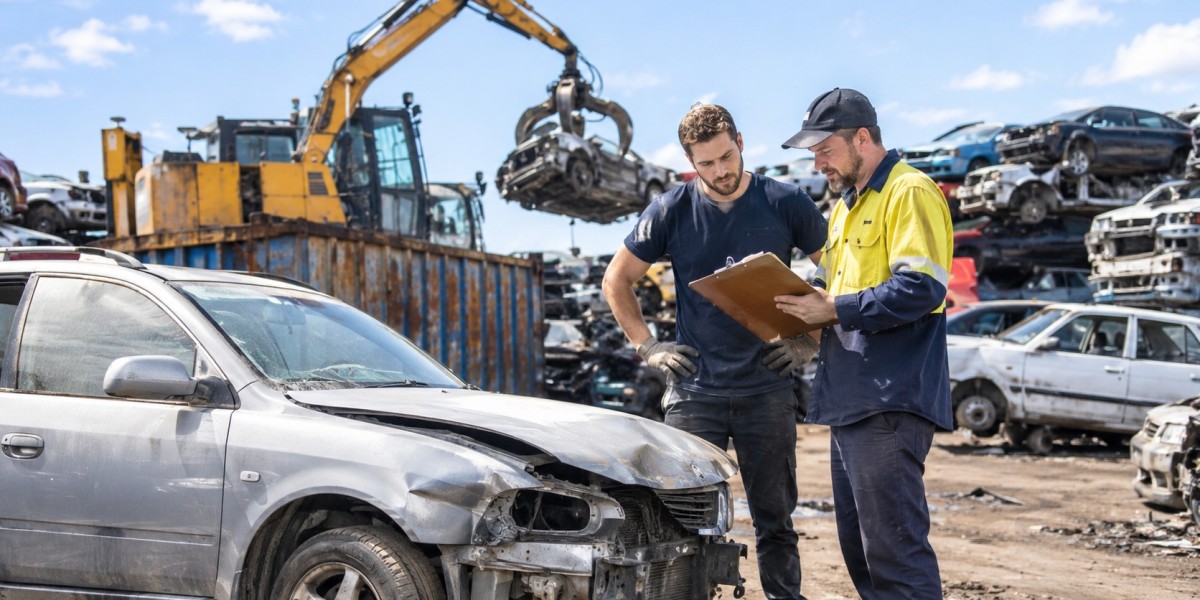
Vehicle recycling involves several stages. The aim is to recover usable components and separate materials that can be processed for reuse.
1. Vehicle Collection and Inspection
The process generally starts when an unwanted vehicle is collected from its owner or delivered to a wrecking facility.
Once the vehicle arrives, it is inspected to assess its overall condition. The inspection helps identify damaged areas, working components and materials that may be suitable for recycling.
Cars do not need to be in running condition to enter the recycling process.
2. Removing Reusable Car Parts
Not every component in an old vehicle is damaged. Some parts may still be in working condition even when the car itself is no longer roadworthy.
Depending on the vehicle, reusable components may include:
Engines and gearboxes
Alternators and starter motors
Doors and mirrors
Headlights and tail lights
Wheels and tyres
Seats and interior fittings
Radiators and other mechanical components
These parts may be inspected and prepared for reuse or resale when suitable.
3. Draining Fluids and Removing Hazardous Materials
Vehicles contain several fluids and materials that need careful handling before further dismantling.
These may include engine oil, coolant, brake fluid, transmission fluid and fuel.
Batteries and other components also require appropriate handling. Removing these materials helps reduce the risk of spills and environmental contamination.
4. Separating Metal and Other Materials
After reusable components have been removed, the remaining vehicle body can be processed for material recovery.
Cars contain different metals, including steel and aluminium. These materials can be separated and sent to recycling facilities for further processing.
Recovering metals helps reduce the need for new raw materials and gives discarded vehicle materials another purpose.
Why Brisbane Vehicle Owners Choose Car Wreckers
When an old vehicle becomes too expensive to maintain, selling it to a wrecker can be an option worth considering.
Many people searching for car wreckers in brisbane are looking for a way to remove vehicles that are no longer useful to them.
Some common reasons include:
Damaged Cars After Accidents
An accident can leave a vehicle with damaged panels, broken lights or serious mechanical problems. When repair costs are higher than the vehicle's worth, selling it for dismantling may be a sensible alternative.
Old Vehicles With Mechanical Problems
Older cars often develop engine, gearbox and electrical problems. If several components need replacing, continuing with repairs may not make financial sense.
Unregistered and Non Running Cars
Vehicles that cannot be driven may be difficult to sell through traditional private listings. Vehicle removal services can provide another option for owners who want to clear unwanted cars from their properties.
Cars Taking Up Valuable Space
An unused vehicle can occupy a garage, driveway or yard for months. Removing it creates more room and eliminates the need to keep maintaining a car that is no longer being used.
What Types of Vehicles Can Be Recycled?
Vehicle recycling is not limited to completely wrecked cars. Different types of unwanted vehicles may contain materials and components suitable for recovery.
Common examples include:
Old passenger cars
Accident damaged vehicles
Scrap cars
Non running vehicles
Unregistered cars
Unwanted four wheel drives
Damaged commercial vehicles
Older utes and vans
The condition, make, model and available components can influence how a vehicle is processed.
How to Prepare Your Car Before Removal
Before arranging vehicle collection, take a few simple steps to prepare your car.
Remove personal belongings
Check the glovebox, boot, centre console and under the seats. Remove any personal items before handing over the vehicle.
Collect your paperwork
Keep relevant ownership and registration documents ready. Requirements may vary depending on your circumstances and the vehicle.
Remove number plates
Follow the applicable Queensland requirements for returning or transferring registration plates.
Cancel registration and insurance
Contact the relevant providers and check what steps are required once the vehicle has been sold or removed.
Discuss collection arrangements
Confirm the pickup location, vehicle condition and whether the car needs special equipment for loading.
Choosing a Vehicle Removal Service in Brisbane
Before selecting a vehicle removal business, take time to understand its services and conditions.
Ask whether it accepts damaged, scrap and non running vehicles. Check if towing is included and whether there are any collection charges.
It is also worth confirming how payment is arranged, what documents are required and whether the business provides a receipt or written confirmation of the vehicle transfer.
Cash For Cars Brisbane is one local business that deals with unwanted vehicles, including old, damaged and scrap cars. Owners considering vehicle removal can visit https://www.cashforcarbrisbane.com.au/ to learn more about its services.
The Environmental Importance of Vehicle Recycling
Recycling old cars can contribute to better resource management. Rather than sending an entire vehicle to landfill, suitable components and materials can be recovered through proper dismantling.
Reusing working car parts can reduce demand for newly manufactured replacements. Recovering metals also helps limit the need for additional raw material extraction.
Proper fluid removal and battery handling are equally important because they help prevent harmful substances from entering the surrounding environment.
Vehicle recycling is therefore about more than removing an unwanted car. It is also about making better use of materials that would otherwise go to waste.
Conclusion
An unwanted vehicle does not have to remain unused in your driveway or end up as unnecessary waste. Through vehicle dismantling and recycling, working components can be recovered, metals can be processed and certain materials can be used again.
For Brisbane car owners, understanding how the recycling process works can make it easier to decide what to do with an old, damaged or non running vehicle.
Before arranging removal, compare your options, check the collection conditions and prepare the necessary paperwork. A vehicle that has reached the end of its driving life may still have plenty of useful materials waiting for another purpose.