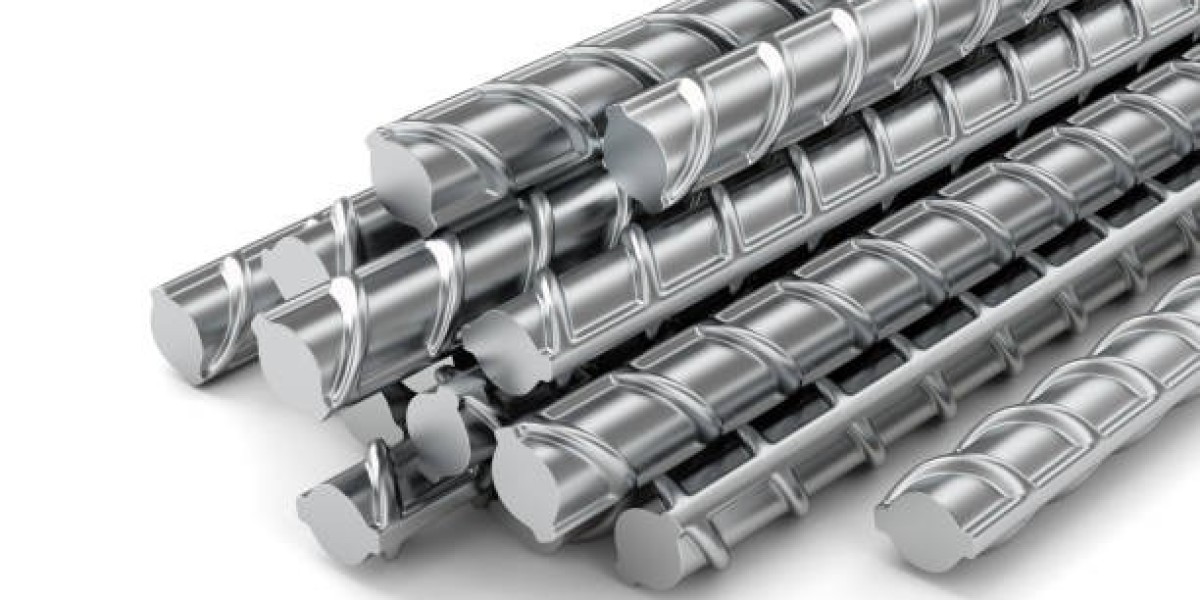

Southeast Asia is witnessing rapid infrastructure expansion as governments and private investors increase spending on transportation, urban development, housing, and industrial facilities. Rising populations, growing urban centers, and expanding economic activities are creating substantial requirements for durable construction materials. Steel bars, which provide essential reinforcement to concrete structures, are becoming increasingly important for supporting the region's infrastructure development.
The Southeast Asia steel bars industry is benefiting from these ongoing construction activities. According to the latest assessment by Markntel Advisor, the industry was valued at approximately USD 18.19 billion in 2025 and is projected to reach USD 27.11 billion by 2032, expanding at a CAGR of around 5.87% during 2026–2032. This growth reflects the increasing requirement for reliable reinforcement materials across residential, commercial, and infrastructure projects.
Beyond conventional building construction, steel bars are widely utilized in highways, bridges, ports, industrial complexes, and energy infrastructure. Their contribution to structural strength, stability, and durability makes them indispensable to modern construction. Furthermore, stricter construction requirements and increasing attention to structural safety are encouraging the adoption of advanced reinforcement solutions.
How Are Infrastructure Investments Strengthening Steel Bar Consumption?
Government-led infrastructure initiatives are emerging as an important source of steel bar demand throughout Southeast Asia. Countries across the region are directing investments toward highways, railway corridors, airports, seaports, bridges, and urban transportation systems to improve connectivity and support economic development.
These infrastructure projects require reinforced concrete structures that can withstand substantial loads and maintain their structural integrity over extended periods. As a result, construction companies are increasingly utilizing high-strength steel reinforcement products that comply with engineering specifications and project requirements.
Urbanization is providing another significant boost to construction activities. Increasing migration toward metropolitan areas is encouraging investments in residential complexes, commercial developments, hospitals, educational institutions, and public facilities. The expansion of these construction categories is expected to create sustained opportunities for steel manufacturers and distributors across Southeast Asia.
Why Is Industrial Expansion Increasing Reinforcement Requirements?
Expanding manufacturing capabilities and industrial investments are contributing to the growing consumption of steel reinforcement products. Southeast Asia continues to attract manufacturing businesses seeking diversified production locations and stronger regional supply chains.
The establishment of industrial parks, factories, logistics centers, warehouses, and commercial facilities is increasing the requirement for structural reinforcement materials. Steel bars are essential for constructing industrial foundations, production buildings, storage facilities, and supporting infrastructure.
Industrial development also generates additional infrastructure requirements, including road connectivity, electricity distribution, water management facilities, and transportation networks. This relationship between manufacturing expansion and infrastructure development is creating interconnected demand opportunities for reinforcement steel suppliers.
According to Markntel Advisor, industrial activities and infrastructure investments are among the important factors supporting the development of the regional steel reinforcement sector. Continued expansion across these areas is expected to strengthen opportunities for manufacturers and suppliers throughout the forecast period.
How Is Sustainable Construction Influencing Steel Production?
Environmental considerations are becoming increasingly important within Southeast Asia's construction and manufacturing industries. Governments, infrastructure authorities, and private developers are paying greater attention to construction methods that minimize environmental impacts without compromising structural performance.
In response, steel manufacturers are exploring energy-efficient production processes, improved resource management, and greater utilization of recycled raw materials. Recycled steel is gaining importance because it supports material recovery, reduces dependence on virgin resources, and contributes to circular economy initiatives.
Furthermore, advancements in steelmaking technologies are enabling manufacturers to improve operational efficiency and minimize production waste. These developments are supporting the gradual adoption of more environmentally responsible reinforcement materials across residential, commercial, and infrastructure construction projects.
What Role Do Technological Advancements Play in Steel Bar Quality?
Technological developments are transforming steel manufacturing through automation, digital monitoring, and modern production equipment. Manufacturing facilities are increasingly adopting automated rolling processes and advanced inspection systems to improve operational performance and maintain consistent product quality.
These technologies enable manufacturers to maintain accurate product dimensions, improve mechanical characteristics, and minimize manufacturing defects. Meanwhile, research and development activities are supporting the introduction of reinforcement products with enhanced tensile strength, corrosion resistance, and weldability.
Such improvements are particularly valuable for infrastructure projects operating under challenging environmental conditions. Coastal developments, bridges, and large transportation facilities often require reinforcement materials capable of maintaining performance under demanding conditions. High-performance steel bars help construction companies meet engineering specifications while improving the durability and reliability of completed structures.
How Is Regional Trade Integration Improving Supply Chains?
Growing economic cooperation and regional trade integration are strengthening construction material supply chains across Southeast Asia. Improved connectivity between countries is facilitating cross-border investments, industrial partnerships, and the movement of essential construction materials.
Regional infrastructure initiatives are also creating opportunities for steel producers to expand distribution networks and serve customers across multiple economies. Better transportation infrastructure can improve raw material accessibility, streamline product deliveries, and strengthen supply chain efficiency.
The Organisation for Economic Co-operation and Development (OECD) recognizes infrastructure investment and regional connectivity as important contributors to economic productivity and long-term competitiveness. These development priorities are supporting construction activities and creating additional business opportunities for reinforcement steel suppliers.
What Does the Future Hold for Steel Bar Demand in Southeast Asia?
The outlook for steel reinforcement consumption across Southeast Asia remains positive as governments continue prioritizing infrastructure modernization, urban expansion, and industrial development. Investments in highways, railway systems, residential buildings, commercial facilities, and manufacturing infrastructure are expected to maintain demand for steel bars in the coming years.
At the same time, technological innovation and sustainability initiatives will encourage manufacturers to strengthen production efficiency, improve product quality, and reduce environmental impacts. Businesses investing in advanced manufacturing facilities, innovative reinforcement solutions, and dependable distribution networks will be better positioned to benefit from emerging construction opportunities.
As Southeast Asian economies continue expanding their infrastructure and industrial capabilities, steel bars will retain their importance as a fundamental construction material. The combined influence of urbanization, infrastructure spending, and manufacturing investments is expected to support the industry's long-term expansion through 2032.










