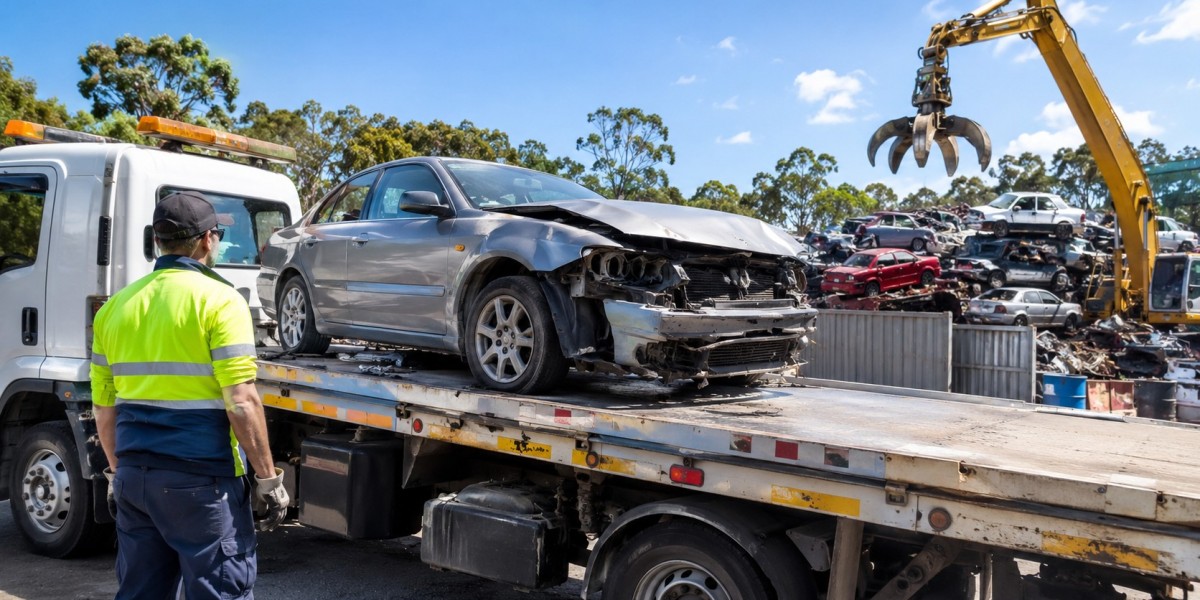

Getting rid of an old, damaged or unwanted vehicle involves more than simply arranging a tow truck. Once a vehicle is collected from your property, it begins a process that may include transportation, inspection, dismantling, parts recovery and recycling. Each stage helps determine how the vehicle and its remaining components can be used.
Many vehicle owners are curious about what happens after their car leaves their driveway. Does it go to a wrecking yard? Are the working parts sold again? What happens to the metal, tyres and automotive fluids?
Understanding these steps can help you make a better decision when selling an unwanted vehicle. This article explains the journey of a collected car and how responsible vehicle processing can benefit both owners and the environment.
1. The Vehicle Is Loaded and Transported
The first step begins when the collection team arrives at the owner's location. Depending on the vehicle's condition, the team may use a tow truck, car carrier or suitable recovery equipment.
Vehicles that cannot start or have suffered accident damage usually require specialised loading equipment. The collection team checks the vehicle before moving it to ensure that transportation can be completed safely.
Once loaded, the vehicle is transported to an appropriate facility, such as a dismantling yard or recycling centre.
Before collection, owners should remove personal belongings, check the boot and glovebox, and prepare the necessary vehicle documents.
2. The Vehicle Goes Through an Inspection
After reaching the receiving facility, the vehicle may undergo another inspection. This helps determine its condition and identify components that could still be useful.
The inspection generally considers several areas:
Vehicle make, model and manufacturing year
Engine and transmission condition
Exterior and interior damage
Electrical components
Tyres, wheels and suspension
Remaining usable parts
Signs of rust or structural damage
A vehicle with a working engine and minor body damage may have several reusable components. However, a severely damaged vehicle may require more extensive dismantling.
The inspection helps determine the most suitable way to process the vehicle.
3. Reusable Parts Are Carefully Removed
One of the most important stages involves recovering components that may still have practical value.
An unwanted vehicle does not necessarily mean every part is damaged. Even when a car is no longer roadworthy, certain components may remain suitable for further use.
Common examples include:
Engines and gearboxes
Alternators and starter motors
Doors and mirrors
Headlights and tail lights
Seats and interior fittings
Wheels and selected suspension parts
Radiators and other mechanical components
Before these parts are reused or offered for resale, they should be inspected and tested where appropriate.
Recovering suitable components can help vehicle owners find replacement parts and reduce the demand for newly manufactured products.
4. Automotive Fluids Are Removed
Cars contain different fluids that require appropriate handling. These substances should not be allowed to leak into the ground or surrounding waterways.
During the dismantling process, trained workers may remove and manage:
Engine oil
Transmission fluid
Brake fluid
Coolant
Fuel
Air-conditioning refrigerant
Battery materials
Each substance requires suitable storage, handling and disposal procedures.
Proper fluid management is an important part of responsible vehicle recycling. It helps reduce contamination risks and supports safer working conditions at processing facilities.
5. The Remaining Vehicle Is Prepared for Recycling
After reusable components and automotive fluids have been dealt with, the remaining vehicle body can move towards material recovery.
Most vehicles contain several materials, including steel, aluminium, copper, rubber, plastic and glass. These materials have different recycling requirements.
The remaining vehicle may go through processes such as:
Removing components that need separate treatment.
Separating different material types.
Processing suitable metal sections.
Sorting recoverable materials.
Sending materials to appropriate recycling facilities.
The exact process depends on the vehicle's construction, condition and the equipment available at the facility.
6. Where Does Your Collected Car Actually Go?
The destination of a collected vehicle depends on its condition and the services provided by the collection company.
Some vehicles may be transported directly to dismantling facilities. Others may go to authorised recycling operations where different components are recovered.
If you are arranging car removal gold coast services, it is worth asking the provider where collected vehicles are taken and how they handle reusable components and recyclable materials.
A responsible service provider should be able to explain its collection arrangements and provide information about the next stages of vehicle processing.
Understanding the destination of your vehicle gives you a clearer picture of what happens after collection.
7. What Happens to Vehicles That Cannot Be Repaired?
Some vehicles have extensive mechanical problems or serious structural damage. In these situations, repairing the vehicle may not be practical.
However, a car that cannot return to the road may still contain useful materials and components.
For example, a vehicle with a damaged engine could still have usable doors, mirrors, wheels, seats or electrical components.
Depending on their condition, these parts may be recovered for reuse. The remaining metal and other suitable materials can then enter the recycling process.
This is one reason why damaged, accident-affected and non-running vehicles should not automatically be considered worthless.
8. Environmental Benefits of Responsible Vehicle Recycling
Unwanted vehicles can contain materials that remain useful long after the car stops working.
Recovering suitable components and materials helps reduce waste and supports more efficient resource use.
Some important benefits include:
Reusing suitable vehicle components.
Recovering steel, aluminium and copper.
Reducing the demand for newly extracted materials.
Managing automotive fluids appropriately.
Reducing the amount of recoverable material sent to landfill.
Responsible recycling also helps prevent automotive waste from being handled improperly.
Although not every vehicle component can be recycled, suitable processing can recover a significant range of useful materials.
9. Choosing the Right Vehicle Removal Company
Selecting a suitable removal company is an important part of the process. Before making a booking, compare the services offered and ask how the company handles collected vehicles.
Consider the following questions:
Do you accept old, damaged and scrap vehicles?
Is towing included in the quoted price?
Can you collect vehicles that do not start?
How is the vehicle's value assessed?
When will payment be made?
What documents are required?
Where will the vehicle be taken after collection?
A provider that explains these details clearly can help you understand what to expect.
It is also worth checking customer feedback, collection arrangements and whether the company works with appropriate vehicle recycling facilities.
Conclusion
When an unwanted vehicle leaves your property, its journey may continue through several important stages. From transportation and inspection to parts recovery, fluid removal and material recycling, each step helps determine how the vehicle can be processed.
Even cars that are too damaged or expensive to repair may contain useful components and recoverable materials. Choosing an appropriate vehicle removal service can therefore help you clear unwanted vehicles while supporting responsible resource recovery.
On Spot Cash For Cars Brisbane buys old, damaged, scrap, accident-affected and unwanted vehicles. The business offers free car removal, free towing and cash payments for accepted vehicles, including cars, vans, utes and 4WDs.
If you have an unwanted vehicle on the Gold Coast, visit https://www.onspotcashforcars.com.au/ to learn more about the available services and request a quote./










