When a new season lands in Path of Exile 2, most players want to know one thing first: what should I be doing now, and what will actually matter later? The Runes of Aldur challenge track answers that pretty quickly, because it pushes you through the campaign, into crafting, and then right into the grindier endgame loop. If you keep an eye on your POE 2 Currency along the way, you will notice how often these objectives overlap with the normal stuff you were going to do anyway. That is part of the appeal. It never feels like a separate mini-game for long.
How the Season Challenges Actually Feel In Game
These challenges are built like a long checklist, but in practice they are more like a guided route through the league. Early on, you are just moving through the story, meeting the new enemies, and picking up whatever the season throws at you. Nothing there is too fussy. You kill a few special monsters, interact with the league mechanics when they show up, and start getting used to the rune system. Most people finish a decent chunk of this just by playing normally. No weird detours. No need to overthink it.
What makes the system stick is the way it nudges you into parts of the game you might otherwise delay. A lot of players rush the campaign, then ignore side systems until later. Here, that habit does not work as well. You will want to socket runes, test a few upgrades, and pay attention to gear pieces that can carry you through the next set of objectives. It is also where you start feeling the pressure to hold onto useful loot instead of trashing everything at once. One good drop can save you a lot of time.
Crafting Starts To Matter More Than You Expect
Once the season settles in, the challenge list leans harder into crafting. That is usually the point where players realise they cannot just rely on random drops forever. You will be asked to improve rune quality, work with higher-tier sockets, and push rare items into better shape through the league systems. It sounds simple until you start spending materials and miss the roll you wanted. Then suddenly every orb matters a bit more. That is where smart resource use begins to pay off.
This part of the league also rewards patience. People often burn through their best materials too early because they want a quick power spike. That can work for a while, sure, but if the challenge asks for advanced crafting later, you may end up short. A better approach is to keep a buffer of supplies and use them when a clear upgrade is in front of you. You will still need good gear, of course, but the point is not to finish every craft perfectly. It is to keep moving without stalling out.
Atlas Progression Becomes The Real Test
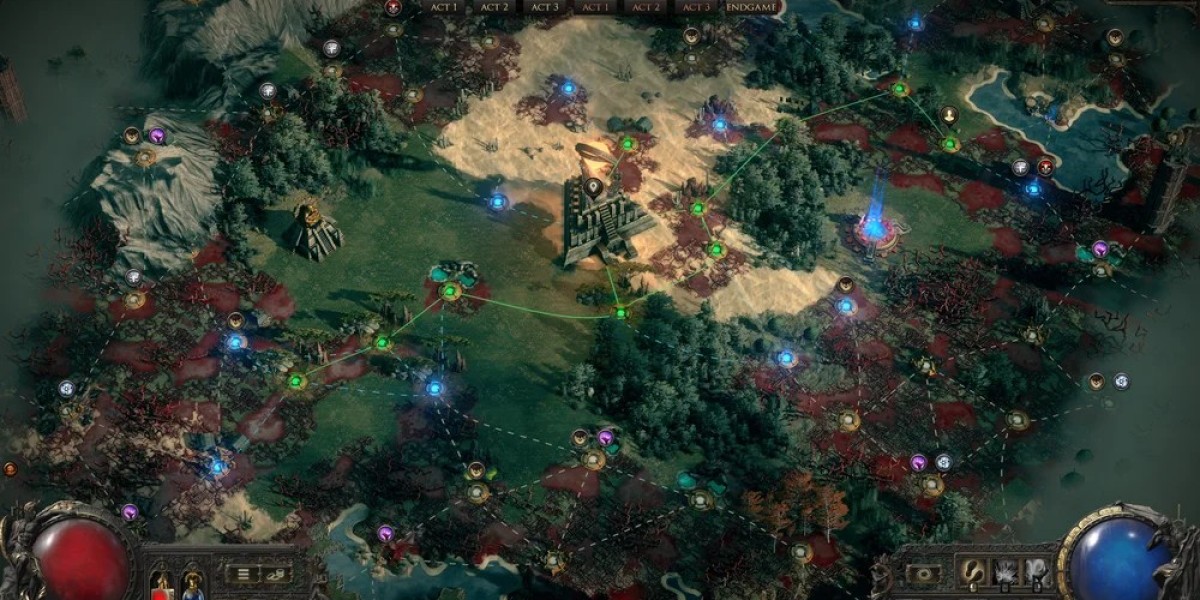
After the campaign, the whole tone changes. Atlas challenges are where the league stops feeling like a warm-up and starts asking for proper planning. You will be running maps with awkward modifiers, clearing corrupted content, dealing with harder bosses, and chasing encounters that do not always show up when you want them to. It can be a bit messy. That is normal. Most players discover that a good map setup matters as much as raw damage, maybe more.
If you want the process to feel smoother, your Atlas tree and map pool need to work together. That means choosing passives that help you see the league content more often, while also keeping your map clear speed high enough to avoid wasting time. The better your setup, the more often you get useful drops, and the easier it becomes to keep your build moving forward. This is usually where people start farming serious upgrades instead of just surviving week to week.
Final Thoughts
The hardest parts of Runes of Aldur are usually the ones tied to top-end bosses and the more exacting seasonal objectives. These fights are not just about damage numbers. You need to know the patterns, keep your movement clean, and bring a character that can actually take a hit or two without falling apart. That is why many players wait until their gear is truly settled before trying to finish the last stretch. A few extra upgrades can save a lot of frustration, and the difference is often bigger than it looks on paper. By the time you reach that stage, holding onto POE 2 Divine Orbs can make those final gear decisions a lot less painful, especially when one good craft is all that stands between a decent build and a proper one.