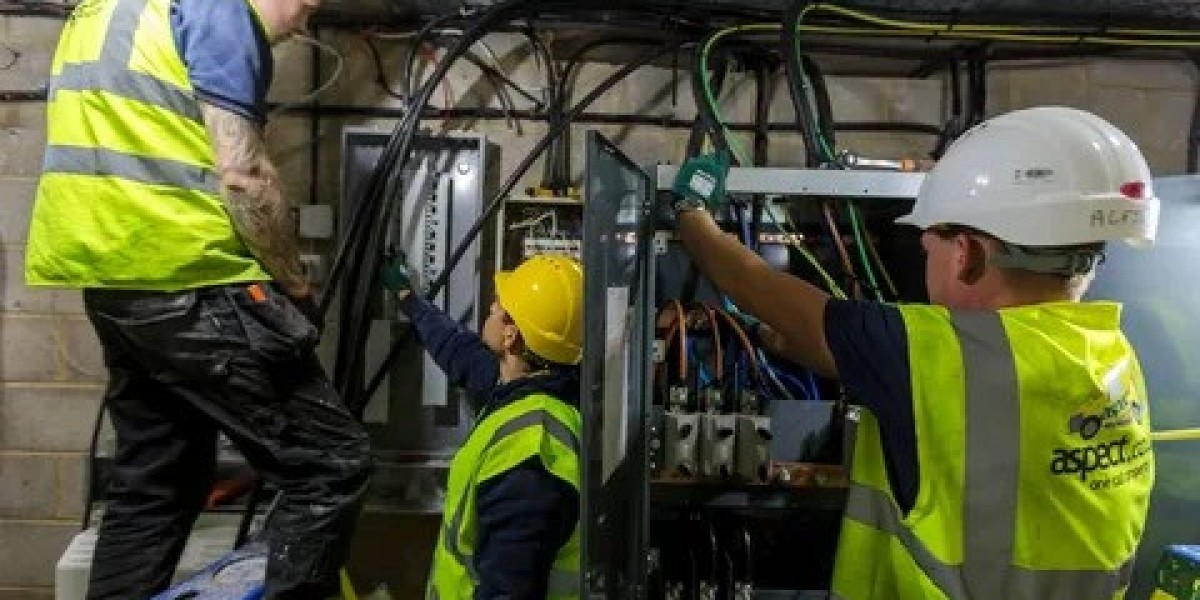

A safe and reliable electrical system is important for every home and business. From powering everyday appliances to supporting heating and cooling equipment, electrical systems play a major role in daily life. When electrical problems occur, professional help can prevent safety risks, reduce inconvenience, and keep essential equipment working properly. A qualified midland tx electrician can provide many services, including electrical repairs, wiring installation, lighting upgrades, panel improvements, and safety inspections.
Property owners in Midland, Texas, may need electrical services for different reasons. Some may be building a new home, while others may be updating an older property or fixing damaged wiring. Businesses also depend on reliable electrical systems to support lighting, computers, machines, and other equipment.
Understanding the services offered by an electrician helps property owners choose the right professional for each project. It also makes it easier to identify electrical problems before they become more serious. Electrical work may sometimes connect with other home improvement needs, such as appliance repair midland tx or hvac services midland tx.
This article explains the main services a Midland electrician can provide, common electrical problems, and important factors to consider when hiring an electrical professional.
1. Electrical Repairs and Troubleshooting
Electrical problems can affect comfort, safety, and everyday activities. A professional electrician can inspect electrical systems, identify the cause of a problem, and recommend a suitable repair.
Finding the Cause of Electrical Problems
Some electrical issues are easy to notice, while others develop slowly. Common warning signs include:
Lights that flicker or become unusually dim.
Circuit breakers that trip repeatedly.
Electrical outlets that stop working.
Burning smells near switches or outlets.
Buzzing sounds from electrical panels.
Power interruptions in certain rooms.
These problems may result from damaged wiring, loose connections, overloaded circuits, or faulty electrical components.
A Midland electrician can use appropriate testing tools to locate the source of the issue. Instead of replacing parts without understanding the problem, a professional can examine the affected circuit and determine which repairs are necessary.
Repairing Damaged Wiring and Outlets
Damaged wiring can create serious electrical hazards. Worn insulation, loose connections, and improperly installed wires may increase the risk of electrical shocks or fires.
An electrician can inspect damaged wiring, replace unsafe sections, and repair faulty outlets and switches. This service is especially important in older properties where electrical systems may need attention.
For example, a homeowner who notices that an outlet becomes warm during normal use should stop using it and arrange a professional inspection. Ignoring the warning could allow the problem to become more dangerous.
Fixing Circuit Breaker Problems
Circuit breakers protect electrical circuits by interrupting power when an unsafe condition occurs. However, frequent tripping may indicate an overloaded circuit, a short circuit, or another electrical problem.
A qualified electrician can investigate why a breaker keeps tripping and determine whether the circuit needs repair, adjustment, or additional capacity.
Professional troubleshooting helps restore reliable electrical service while protecting the property's electrical system.
2. Electrical Wiring and Installation Services
Electrical wiring provides the power needed to operate lights, appliances, heating equipment, and electronic devices. Proper installation is essential for safe and dependable performance.
New Construction Wiring
New homes and commercial buildings require carefully planned electrical systems. An electrician can help install wiring according to the building's layout and electrical requirements.
Common installation tasks include:
Installing electrical cables and circuits.
Setting up switches and outlets.
Connecting lighting fixtures.
Installing electrical panels.
Preparing circuits for major appliances.
Providing power connections for equipment.
During construction, proper planning helps ensure that different areas receive the electrical capacity they need.
For example, a kitchen may require separate circuits for certain major appliances, while a home office may need enough outlets for computers, printers, and other equipment.
Electrical Remodeling and Upgrades
Remodeling projects often require changes to existing electrical systems. Moving a wall, adding a room, or renovating a kitchen may affect the location of outlets, switches, and lighting fixtures.
A Midland TX electrician can inspect the existing wiring and determine what changes are needed before the remodeling work moves forward.
This is particularly useful when homeowners work with remodeling contractors midland tx. Coordinating electrical work with other construction activities can help prevent installation conflicts and unnecessary delays.
Replacing Outdated Wiring
Older wiring systems may not meet the needs of modern households. Today's homes often use more electrical equipment than homes did several decades ago.
An electrician can inspect an older system and recommend suitable upgrades when necessary. Replacing damaged or outdated wiring can improve electrical safety and support the property's current power requirements.
However, the need for replacement depends on the wiring's condition, installation history, and applicable electrical requirements.
3. Lighting Installation and Electrical Improvements
Lighting affects how a property looks, feels, and functions. Professional lighting installation can improve visibility, support daily activities, and enhance indoor and outdoor spaces.
Indoor Lighting Installation
Indoor lighting serves different purposes in different rooms. Kitchens need practical lighting for food preparation, while bedrooms and living rooms may benefit from softer lighting arrangements.
Electricians can install or replace several types of indoor lighting, including:
Ceiling lights.
Recessed lighting.
Pendant lights.
Wall-mounted fixtures.
Under-cabinet lighting.
Decorative lighting systems.
For example, recessed lighting can provide a clean appearance in a modern living room. Under-cabinet lighting can make kitchen work areas easier to use.
A professional can also check wiring connections and fixture compatibility before completing the installation.
Outdoor and Security Lighting
Outdoor lighting improves visibility around entrances, pathways, garages, and other exterior areas.
An electrician can install outdoor fixtures, motion-activated lights, and security lighting when suitable. Proper placement can help illuminate dark areas around a property.
For example, a homeowner may install lighting near a driveway or back entrance to make nighttime movement safer.
Outdoor electrical installations must also use equipment designed for the environment. Weather exposure, moisture, and temperature changes should be considered during installation.
Energy-Efficient Lighting Upgrades
LED lighting is commonly used because it generally consumes less electricity and lasts longer than many traditional lighting options.
An electrician can help replace older fixtures with compatible LED alternatives. The professional can also check whether existing switches, dimmers, and wiring are suitable for the new lighting system.
These improvements may help reduce lighting energy use while providing dependable illumination.
4. Electrical Panel Upgrades and Circuit Installation
The electrical panel distributes electricity throughout a building. It also contains protective devices that help control and protect individual circuits.
When a property requires more electrical capacity or has an outdated panel, professional inspection may be necessary.
Electrical Panel Inspection
An electrician can inspect an electrical panel to identify signs of damage, overheating, corrosion, loose connections, or other concerns.
A panel inspection may also help determine whether the existing system can support additional electrical equipment.
For example, a homeowner planning to install new kitchen appliances, workshop equipment, or additional air conditioning may need to review the available electrical capacity first.
Electrical Panel Replacement
Some electrical panels may need replacement because of age, damage, insufficient capacity, or safety concerns.
A qualified electrician can assess the panel and explain whether repair or replacement is appropriate.
Panel replacement should never be treated as a simple do-it-yourself project. It involves potentially dangerous electrical connections and must be completed by qualified professionals following applicable safety requirements.
Adding New Electrical Circuits
Some appliances and equipment require dedicated circuits to operate safely and reliably.
An electrician can install additional circuits for suitable equipment, such as:
Electric ovens.
Clothes dryers.
Water heaters.
Workshop machinery.
Air conditioning equipment.
Other major electrical appliances.
Adding circuits may also help prevent existing circuits from becoming overloaded.
A professional assessment is important because the electrical panel must have sufficient capacity for the proposed changes.
5. Electrical Services for Appliances and HVAC Equipment
Modern homes depend on electrical systems to operate many appliances and climate-control devices. When these systems experience problems, the cause may involve the appliance itself or its electrical supply.
Electrical Connections for Household Appliances
Refrigerators, washing machines, dryers, dishwashers, and other appliances require suitable electrical connections.
An electrician can inspect outlets, circuits, breakers, and wiring that supply power to these devices.
For example, if a washing machine repeatedly loses power, the issue may involve a faulty outlet or circuit rather than the machine itself.
This distinction is important when arranging appliance repair midland tx. An appliance technician generally handles problems within the appliance, while an electrician addresses electrical supply and wiring issues.
Coordinating the correct professional can help prevent unnecessary repairs and identify the actual source of the problem.
Electrical Support for Heating and Cooling Systems
Heating, ventilation, and air conditioning systems depend on electrical components to operate properly.
Electricians may provide services such as:
Inspecting electrical connections.
Installing suitable circuits.
Checking breakers supplying HVAC equipment.
Repairing certain wiring problems.
Connecting compatible electrical components.
Supporting equipment replacement projects.
These services can be useful when property owners arrange hvac services midland tx.
However, electrical work and HVAC repairs are not the same. HVAC technicians handle equipment-related problems such as refrigerant issues, airflow restrictions, and many heating or cooling component failures.
If an air conditioner stops working, the problem could involve its electrical supply or an internal mechanical component. Identifying the correct issue helps determine whether an electrician or HVAC technician is needed.
Supporting Electrical Needs During Equipment Upgrades
Replacing an older appliance or HVAC system may require changes to the existing electrical setup.
A professional can review the equipment's electrical requirements and check whether the current circuit, wiring, and panel are suitable.
This step is especially important before installing larger equipment that may require a dedicated circuit or different electrical connections.
6. Electrical Safety Inspections and Preventive Maintenance
Electrical safety is important for preventing property damage, equipment problems, and personal injuries. Regular inspections can help identify concerns before they develop into serious hazards.
Identifying Electrical Safety Risks
An electrician can examine different parts of an electrical system, including:
Electrical panels and circuit breakers.
Outlets and switches.
Visible wiring.
Grounding connections.
Lighting fixtures.
Electrical connections for major equipment.
The inspection may reveal loose connections, damaged components, overloaded circuits, or other problems that require attention.
Property owners should arrange an inspection when buying an older home, completing a major renovation, or noticing repeated electrical issues.
Grounding and Electrical Protection
Grounding provides an important safety path for electrical current under certain fault conditions.
An electrician can inspect grounding arrangements and check whether relevant electrical protection devices are installed correctly.
Depending on the property and the work involved, additional protection may include ground-fault circuit interrupters (GFCIs) and arc-fault circuit interrupters (AFCIs).
GFCIs help protect against certain electrical shock hazards, particularly in locations where moisture may be present. AFCIs help reduce the risk of fires caused by certain dangerous electrical arcing conditions.
A qualified professional can determine which protective devices are appropriate for the installation.
Preventive Electrical Maintenance
Preventive maintenance focuses on identifying possible problems before equipment or wiring fails.
A professional may recommend maintenance based on the building's age, electrical demand, and condition.
For commercial properties, maintenance can be particularly important because electrical interruptions may affect business operations, lighting, computers, and machinery.
Regular professional attention helps property owners understand their electrical systems and plan necessary repairs.
7. Commercial Electrical Services and Professional Installation
Businesses have different electrical requirements from residential properties. Offices, retail stores, warehouses, and other commercial buildings may depend on larger electrical systems and specialized equipment.
Commercial Wiring and Installation
Commercial electricians can install and maintain electrical systems for business properties.
Depending on their qualifications and the project, services may include:
Commercial wiring installation.
Electrical panel improvements.
Office lighting installation.
Power outlet installation.
Equipment connections.
Electrical circuit repairs.
Emergency lighting installation.
For example, a business renovating its office may need new lighting, additional outlets, and updated circuits to support computers and other equipment.
A professional electrician can review the building's requirements and help plan the electrical work.
Electrical Solutions for Business Equipment
Commercial properties may use refrigerators, production machines, computers, security systems, and other electrical equipment.
An electrician can inspect power connections and install suitable circuits when required.
If equipment repeatedly loses power, a professional inspection can help identify whether the problem comes from the circuit, electrical panel, wiring, or connected equipment.
This approach can help businesses address electrical problems before they cause larger interruptions.
Working With Other Construction Professionals
Commercial construction and renovation projects often involve several types of contractors.
Electricians may coordinate their work with builders, HVAC technicians, plumbers, and remodeling professionals. This coordination helps ensure that electrical installations fit the overall construction plan.
For example, a commercial renovation may require new electrical circuits before HVAC equipment and other building systems can be installed.
Property owners can use Pro Contractors Hub to explore contractor-related services and find professionals for different project needs. Comparing service information can help them understand which type of contractor may be suitable for a particular job.
Choosing the right professional remains important because electrical work requires proper training, experience, and attention to safety.
Frequently Asked Questions
1. What services does a Midland TX electrician provide?
A Midland TX electrician can provide electrical repairs, wiring installation, lighting upgrades, panel replacement, circuit installation, troubleshooting, and safety inspections. Some electricians also handle commercial electrical projects and connections for major appliances and HVAC equipment.
2. When should a homeowner hire an electrician?
A homeowner should contact an electrician when outlets stop working, breakers trip repeatedly, lights flicker, wiring becomes damaged, or electrical equipment produces unusual smells or sounds. Professional help is also recommended before major renovations or electrical installations.
3. Can an electrician help with appliance and HVAC electrical problems?
Yes. An electrician can inspect the wiring, outlets, circuits, breakers, and electrical connections supplying appliances and HVAC equipment. However, internal appliance repairs and mechanical HVAC problems may require qualified appliance repair or HVAC technicians.
4. How can property owners choose the right electrician in Midland TX?
Property owners should check the electrician's licensing where required, relevant experience, insurance, service details, and customer feedback. They should also request a clear estimate and confirm that the professional understands the specific electrical project before work begins.
Conclusion
A professional midland tx electrician can provide many important services that help homes and businesses maintain safe and reliable electrical systems. These services include electrical troubleshooting, wiring installation, lighting improvements, panel upgrades, circuit installation, and preventive safety inspections.
Electricians can also support appliance and HVAC installations by checking electrical connections and ensuring that circuits meet equipment requirements. However, selecting the right professional for each type of repair is important because electrical, appliance, and HVAC work require different skills.
Property owners should pay attention to warning signs such as flickering lights, frequently tripping breakers, damaged outlets, and unusual electrical smells. Addressing these concerns early can help reduce safety risks and prevent more serious problems.
For those planning electrical upgrades, repairs, or construction projects, Pro Contractors Hub can serve as a resource for exploring contractor services and finding professionals for different property needs. Comparing service options and checking professional qualifications can help property owners make informed decisions and keep their electrical systems in good condition.