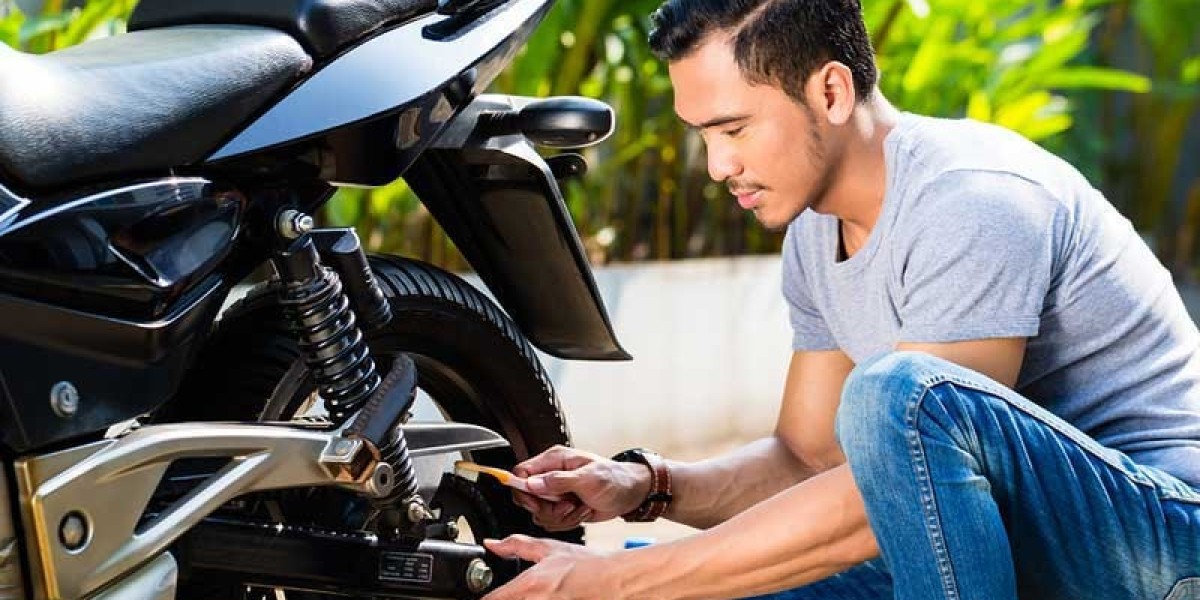

Motorcycles need regular care to stay safe, reliable, and comfortable on the road. Whether someone rides every day or takes their motorcycle out on weekends, regular maintenance helps prevent common problems and keeps important parts working properly. Over time, normal use can cause parts to wear down, fluids to become dirty, and small issues to turn into expensive repairs. This is why motorcycle maintenance should be part of every rider's routine.
Motorcycle maintenance services cover several important areas, including engine checks, oil changes, brake inspections, tire care, chain adjustments, and electrical system testing. Each service helps protect a different part of the motorcycle. Knowing what these services include makes it easier for riders to understand their motorcycle's needs and recognize when professional attention is required.
For riders looking for dependable Motorcycle Maintenance in Bridgeton NJ, understanding the basic maintenance process can help them make better decisions about their bikes. Regular inspections and timely servicing can improve daily performance, reduce unexpected breakdowns, and help keep the motorcycle in good working condition.
1. Engine Oil and Filter Changes
Engine oil plays an important role in motorcycle performance. It reduces friction between moving engine parts, helps control heat, and carries away dirt and small particles. As the motorcycle is used, the oil gradually loses its ability to protect the engine.
A motorcycle maintenance service usually includes checking the oil level, inspecting its condition, and replacing it when needed. The oil filter may also need replacement to prevent dirt and other particles from moving through the engine.
The correct oil type and replacement schedule depend on the motorcycle's make, model, and engine design. Riders should follow the manufacturer's recommendations instead of waiting until the engine starts making unusual sounds.
2. Brake System Inspection
Brakes are among the most important safety features of any motorcycle. They allow riders to slow down and stop when traffic conditions change. Over time, brake pads wear down, brake fluid can become contaminated, and other parts may develop problems.
During a maintenance visit, a technician may inspect brake pads, discs, cables, and brake fluid. For motorcycles with hydraulic brakes, the system should also be checked for leaks and signs of reduced pressure.
Some common warning signs include squeaking sounds, unusual vibrations, a soft brake lever, or longer stopping distances. These problems should not be ignored because weak brakes can increase the risk of an accident.
3. Tire Pressure and Condition Checks
Motorcycle tires have a direct effect on road grip, balance, and handling. Incorrect tire pressure can make a motorcycle harder to control and cause uneven tire wear. Underinflated tires may also produce extra heat, while overinflated tires can reduce the contact area with the road.
Maintenance services often include checking tire pressure, inspecting tread depth, and looking for cracks, cuts, punctures, or other damage. A technician may also check whether the tires show uneven wear that could point to alignment or suspension problems.
Riders should check tire pressure regularly and use the pressure recommended by the motorcycle manufacturer. Worn or damaged tires should be replaced before they become a serious safety concern.
4. Chain and Drive System Maintenance
The motorcycle chain transfers power from the engine to the rear wheel. If it becomes too loose, too tight, or poorly lubricated, it can affect riding performance and cause unnecessary wear.
Chain maintenance usually includes cleaning, lubrication, and checking the correct tension. A technician may also inspect the front and rear sprockets for damaged or worn teeth. If these parts are badly worn, replacement may be necessary.
Not every motorcycle uses a chain drive. Some models have belt or shaft drive systems, which require different inspection and maintenance procedures. Following the manufacturer's service instructions helps keep the drive system working correctly.
MMC Auto Repair LLC is one of the local automotive service providers that riders may consider when looking for professional vehicle care in the area. A reliable repair shop can help identify worn parts, explain necessary maintenance, and make sure important motorcycle systems receive proper attention. Clear communication and careful inspections are important when choosing a service provider.
5. Battery and Electrical System Checks
A motorcycle's electrical system supports several important functions, including starting the engine, powering the lights, and operating the dashboard. A weak battery or damaged connection can cause starting difficulties and other electrical problems.
A maintenance inspection may include testing battery voltage, checking battery terminals, and examining the charging system. The technician may also inspect wiring, fuses, headlights, brake lights, turn signals, and other electrical components.
If the motorcycle takes several attempts to start or the lights become unusually dim, the battery or charging system may need attention. Regular checks can help find these problems before they leave the rider unable to start the motorcycle.
6. Air Filter Inspection and Replacement
The air filter prevents dust, dirt, and other particles from entering the engine. A clean filter allows the engine to receive the proper amount of air for efficient combustion.
As the filter collects dirt, airflow can become restricted. This may affect engine response, fuel use, and overall performance. During maintenance, a technician checks the filter and cleans or replaces it according to the manufacturer's instructions.
The replacement schedule can vary depending on riding conditions. Motorcycles used on dusty roads may need more frequent air filter inspections than those mainly used on clean city streets.
7. Coolant and Cooling System Service
Many modern motorcycles use liquid cooling to control engine temperature. The cooling system includes components such as coolant, hoses, a radiator, and a water pump.
Maintenance may involve checking coolant levels, inspecting hoses for leaks, and looking for signs of corrosion or damage. Coolant should also be replaced according to the manufacturer's recommended schedule.
Air-cooled motorcycles do not use liquid coolant, but they still need proper airflow and regular engine inspections. If a motorcycle frequently overheats, it is important to find the cause instead of continuing to ride it.
8. Clutch and Transmission Inspection
The clutch helps riders change gears smoothly and control power delivery. Over time, clutch plates and related components can wear down. Incorrect clutch cable adjustment can also make gear changes difficult.
A motorcycle maintenance service may include checking clutch operation, inspecting cables or hydraulic components, and looking for signs of slipping or unusual resistance. The transmission may also be checked for strange noises, difficult shifting, or fluid-related problems where applicable.
Early inspection can help prevent minor issues from developing into more serious mechanical repairs.
9. Suspension and Steering Checks
The suspension system helps absorb bumps and keeps the tires in contact with the road. It also supports balance and rider comfort. A maintenance inspection may include checking front forks, rear shocks, seals, and steering components.
Signs of suspension problems include oil leaking from the forks, unusual bouncing, poor handling, or knocking sounds when riding over rough roads.
Steering should also be checked for stiffness, looseness, or unusual movement. These parts play an important role in motorcycle control, so any noticeable handling changes deserve professional attention.
When Should You Schedule Motorcycle Maintenance?
The right maintenance schedule depends on the motorcycle's age, model, mileage, and riding conditions. Some checks should be performed regularly, while other services are only needed after a certain mileage or period.
Riders should pay attention to the following signs:
Unusual engine noises or vibrations.
Difficulty starting the motorcycle.
Reduced braking performance.
Uneven tire wear.
Problems changing gears.
Fluid leaks under the motorcycle.
Poor handling or unexpected movement.
For riders seeking Motorcycle Maintenance in Bridgeton NJ, arranging a professional inspection when these warning signs appear can help prevent further damage. It is also important to follow the service intervals listed in the owner's manual, even when the motorcycle seems to be running normally.
Final Thoughts
Motorcycle maintenance involves much more than changing engine oil. It includes checking brakes, tires, chains, batteries, filters, cooling systems, suspension, and other important parts. Each service helps keep the motorcycle reliable and supports safer riding.
Regular inspections also give technicians an opportunity to identify small problems before they become costly repairs. By following the manufacturer's maintenance schedule and paying attention to unusual changes, riders can protect their motorcycles and enjoy more dependable performance over time.










