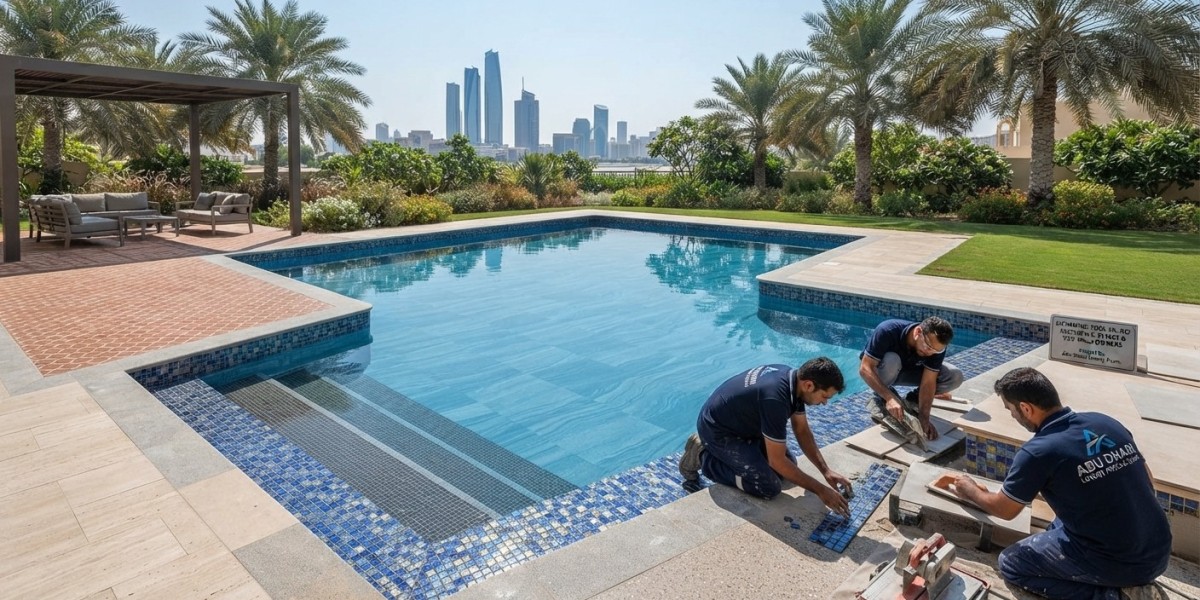

Every solar installer knows how it feels. The contract is signed, the customer is excited, the panels are in the warehouse, and the project stops because a permit application came back with corrections. A missing load calculation, a vague attachment detail, or a fire setback that doesn't match local code can add weeks to a job that should have taken days. That's why more contractors now hand their paperwork to companies like PTOEdge instead of handling it in-house.
Professional solar permit services take the most frustrating part of residential and commercial solar off your plate. They cover design documents, engineering review, filing with the authority having jurisdiction (AHJ), and utility interconnection, so your crews can stay on rooftops. If your permit backlog keeps growing, start your permit request today and get your next project moving.
This guide explains what solar permit services are, the main types, the benefits for installers and sales teams, what to look for in a provider, and how the process works from first site survey to final Permission to Operate.
What Are Solar Permit Services?
Solar permit services are outsourced professional services that prepare, review, submit, and track the documents needed to legally install and energize a solar energy system. Almost every city, county, and utility in the United States requires approval before a photovoltaic (PV) system can be built and connected to the grid. These approvals confirm that the system is structurally safe, electrically sound, and compliant with fire and building codes.
A typical permit package is much more than a form. It usually includes a site plan, a roof layout, an electrical single-line or three-line diagram, equipment specification sheets, structural calculations, attachment details, and labeling plans. Many jurisdictions also ask for wind and snow load calculations, NEC compliance notes, and rapid shutdown documentation. The core of the package is a set of permit ready plan sets that show inspectors exactly what will be installed and how.
Where structural or electrical engineering approval is required, the package also needs sign-off from a licensed professional engineer. Many AHJs won't accept roof-mounted or ground-mounted systems without licensed PE stamp services confirming that the roof or racking can safely carry the added load.
In short, a solar permit service provider acts as your remote design, engineering, and paperwork department. You send the site data, and they send back an approval-ready package, then follow it through submission, corrections, and sign-off.
Why Permitting Is So Complicated
The difficulty comes from inconsistency. The United States has thousands of separate AHJs, and each one can adopt a different code edition, add local amendments, and set its own submission rules. One city may accept online uploads with a two-day turnaround, while the next town over wants wet-stamped paper copies and a four-week review. Utilities add another layer with their own interconnection applications, meter requirements, and inspection steps.
Keeping up with all of this while running sales, installations, and customer service is hard for small and mid-sized installers. That's where a dedicated permitting partner earns its place.
Types of Solar Permit Services
Solar permitting isn't a single task. It's a group of related services that together move a project from design to energized system. Knowing the categories helps you decide what to outsource and what to keep in-house.
1. Building and Electrical Permits
These are the foundational approvals from the local building department. The building permit confirms that the roof or ground structure can support the array, while the electrical permit confirms that the wiring, overcurrent protection, grounding, and interconnection meet the National Electrical Code. In many areas, both are combined into one solar permit application.
2. Automated Online Permitting
A growing number of jurisdictions now use automated platforms that approve code-compliant residential systems almost instantly. SolarAPP+, developed by the National Renewable Energy Laboratory, is the best-known example. Instead of waiting weeks for a manual plan review, eligible projects can receive automated SolarAPP+ permit approvals the same day, as long as the system data is entered accurately and the design meets the platform's standard requirements.
3. Structural Engineering Review
Roof-mounted systems often need a structural letter or calculation package showing that rafters, trusses, and attachments can handle the added dead load along with local wind and snow loads. Ground mounts and carports need foundation and racking analysis. This review is usually tied to a PE stamp.
4. Utility Interconnection and PTO
Even after the city signs off, the system can't legally export power until the utility approves it. This involves submitting an interconnection application, sometimes a net metering agreement, and passing a utility inspection or meter swap. The final step is getting utility permission to operate, the official green light that lets the homeowner switch the system on.
5. Specialty Permits
Some projects need additional approvals, including fire department review for setbacks and pathways, HOA design approval, historic district review, zoning variances for ground mounts, or energy storage permits for battery systems. A full-service permitting provider knows when these are triggered and plans for them early.
Benefits of Professional Solar Permitting
Outsourcing permitting isn't just about saving time. It changes how fast your business can grow, how many projects you can close, and how customers experience your company.
Faster Project Turnaround
Permitting delays are among the biggest reasons solar projects stall. Experienced permit specialists know what each jurisdiction expects, so packages are submitted correctly the first time. Fewer correction cycles mean shorter timelines from signed contract to installation.
Fewer Rejections and Revisions
Every rejection costs money. Your team has to rework the drawings, resubmit, and wait again, while the customer gets frustrated. Professional designers build plans around current code editions and local amendments, which sharply reduces back-and-forth with plan reviewers.
Lower Overhead Costs
Hiring and training an in-house design and permitting team is expensive, and workloads swing with the seasons. Outsourcing turns a fixed payroll cost into a predictable per-project cost, so you only pay for the permits you actually need.
Stronger Sales Conversions
Permitting and sales are more connected than many installers realize. When your designs are accurate from the start, the system size, production estimate, and price in the proposal stay consistent through approval. Pairing permit-ready designs with professional solar sales proposals helps your reps close faster and avoid awkward change orders later.
Better Customer Experience
Homeowners don't care about AHJ review queues. They care about when their system will be producing power. Predictable timelines, fewer delays, and clear updates build trust and lead to more referrals and online reviews.
Room to Scale
With reliable end-to-end solar permitting support, you can take on more projects in more territories without growing your back-office team at the same rate. That flexibility matters when you expand into new states or handle seasonal demand spikes.
Important Factors to Look for in a Permitting Partner
Not every permitting provider delivers the same quality. Before you hand over your projects, compare them on these factors.
Design Accuracy and Detail
The quality of the drawing set decides most approval outcomes. Look for a provider that produces clean, code-referenced, AHJ-specific drawings with proper labeling, string sizing, conductor calculations, and attachment details. Ask to see sample accurate solar design drawings before committing, and check whether they include site plans, electrical diagrams, and equipment placement that inspectors can read easily.
Engineering Credentials
Make sure the provider works with licensed professional engineers in the states where you operate. PE licensing is state-specific, so national coverage matters if you work across several markets. Ask whether they offer structural PE stamp review for both roof and ground-mount systems, and how quickly stamped letters are returned.
Turnaround Time
Speed matters, but only when it comes with accuracy. A good partner gives clear turnaround commitments for plan sets, engineering letters, and revisions, and meets them consistently, including during peak season.
Jurisdiction Knowledge
Ask how the provider keeps track of local requirements. The best teams keep internal databases of AHJ and utility rules covering code editions, setback rules, submission portals, and common correction comments, so each package matches the jurisdiction it's going to.
Communication and Tracking
You should always know where a project stands. Look for regular status updates, a clear point of contact, and fast responses when a plan reviewer sends comments.
Transparent Pricing
Per-project pricing should be clear, with no surprise charges for minor revisions. Ask what's included in the base price and what counts as an extra, such as structural letters, battery storage additions, or redesigns after a site change.
How Solar Permit Services Work: Step by Step
Knowing the workflow helps you prepare the right information and avoid delays. Here's how a typical project moves through a professional permitting process.
Step 1: Site Survey and Data Collection
Everything starts with accurate site data. Your team or a site surveyor collects roof measurements, rafter size and spacing, roof material, main panel details, utility meter information, photos, and shading data. The more complete this information is, the smoother everything after it will go.
Step 2: System Design and Plan Set Creation
The design team uses the site data to create the system layout, choose string configurations, size conductors and overcurrent protection, and prepare the complete drawing set. The plans are built to match the specific AHJ's code edition and local amendments.
Step 3: Engineering Review and Stamping
If the jurisdiction requires it, a licensed engineer reviews the structural and electrical design, checks load calculations, and applies the PE stamp. Any structural upgrades, such as rafter sistering, are identified at this stage instead of during inspection.
Step 4: Permit Submission
The complete package goes to the AHJ through the right channel: an online portal, email, or in-person filing. For eligible residential projects in participating jurisdictions, instant SolarAPP+ permit processing can replace the manual review queue entirely and cut approval time from weeks to hours.
Step 5: Corrections and Approval
If the plan reviewer sends comments, the permitting team handles the responses, updates the drawings, and resubmits. An experienced provider keeps this stage short, because most correction comments were already anticipated in the original design.
Step 6: Installation and Inspection
Once the permit is issued, your crew installs the system to match the approved plans. The building department then inspects the work. Accurate plans make inspections go faster, because what the inspector sees on the roof matches what's on paper.
Step 7: Utility Interconnection and PTO
After passing inspection, the utility interconnection process moves forward. The utility reviews the application, may install a bidirectional meter, and then issues final approval. Having fast PTO approval support at this stage means homeowners start saving on their bills sooner, and you can close the project and collect final payment.
How to Choose the Right Service Level
Not every installer needs the same level of help. Small contractors doing a few installs a month may only need plan sets and PE stamps. Growing companies working in several states often benefit from full-service support that covers everything from design to PTO. Match the service level to your volume, your in-house skills, and the number of jurisdictions you work in.
Applications and Real-World Uses
Solar permitting support helps many kinds of projects and businesses. Here are the most common ones.
Residential Rooftop Solar
This is the largest category. Homeowners installing systems from roughly 4 kW to 15 kW need building and electrical permits, structural review, and utility interconnection. Volume installers rely on outsourced permitting to keep dozens of residential projects moving each week.
Solar Plus Battery Storage
Adding batteries brings extra requirements, such as fire code clearances, ventilation, mounting location rules, and updated electrical diagrams. Storage systems often trigger separate review steps, so experienced design support is especially valuable here.
Commercial and Industrial Solar
Commercial rooftops, carports, and ground-mount arrays involve larger electrical systems, more complex structural analysis, and sometimes utility impact studies. Detailed engineering and careful coordination with the AHJ are essential for these projects.
Sales-Driven Solar Companies
Many solar sales organizations sell projects and then partner with separate installation crews. For them, permitting partners provide complete solar permitting assistance so every sold project moves smoothly into installation without needing in-house engineers.
Solar Dealers and Lead Generators
Dealers who generate and close leads often need design-backed proposals to win customers. Combining accurate designs with solar proposal design services gives homeowners realistic production numbers and pricing that holds up through permitting.
Expanding Into New Markets
When an installer enters a new state or territory, local permitting knowledge becomes a major hurdle. A permitting partner with multi-state experience lets you start selling and installing right away, without spending months learning new rules.
Why Choose PTOEdge for Solar Permit Services?
PTOEdge was built around one goal: helping solar installers and sales teams get from signed contract to energized system as quickly as possible. Instead of offering one isolated piece of the process, the team supports the whole project lifecycle.
One Partner From Design to PTO
With PTOEdge, you don't need separate vendors for design, engineering, filing, and interconnection. The team prepares custom solar plan drawings, coordinates engineering sign-off, submits to the AHJ, and follows the project through utility approval. One partner means fewer handoffs, fewer mistakes, and one clear point of accountability.
Code-Compliant, AHJ-Specific Designs
Every package is prepared against the requirements of the jurisdiction it's going to. That attention to local detail reduces correction cycles and helps projects clear plan review on the first submission.
Engineering You Can Rely On
Structural and electrical reviews are handled carefully so inspectors and utilities can trust the stamped documents. That confidence leads to smoother approvals and fewer site surprises.
Interconnection Handled Too
Many permitting services stop once the building permit is issued, but the job isn't finished until the system is live. PTOEdge also handles interconnection and PTO paperwork, so your customers get to the finish line without you chasing utility applications.
Support That Grows With You
Whether you install five systems a month or fifty, the service scales with your pipeline. You get consistent quality and turnaround without adding headcount, which frees your team to focus on selling and installing.
Conclusion
Permitting doesn't have to be the bottleneck in your solar business. Professional solar permit services combine accurate plan sets, licensed engineering, smart submission strategies, and utility follow-through into one streamlined process. The result is faster approvals, fewer rejections, lower overhead, happier customers, and a business that can grow without being held back by paperwork.
Whether you need help with SolarAPP+ eligible projects, structural stamps, or full design-to-PTO support, the right partner makes every stage smoother. Explore our SolarAPP+ eligible permit filing options and see how much time you can win back on every project. Ready to clear your permit backlog? Request your permit quote and let our team handle the approvals while you focus on building.
Frequently Asked Questions (FAQs)
1. How long does it take to get a solar permit?
It depends on the jurisdiction. Some AHJs approve residential solar permits within a few days, while others take three to six weeks. Automated platforms like SolarAPP+ can issue approvals the same day for eligible projects. Submitting a complete, accurate package is the best way to avoid extra delays.
2. Do all solar installations require a PE stamp?
No. PE stamp requirements vary by state and jurisdiction. Many AHJs require a stamped structural letter for roof-mounted systems, while others only require one for ground mounts, commercial systems, or roofs that don't meet standard framing criteria. Always check local rules before submitting.
3. What documents are needed for a solar permit application?
Most applications include a site plan, roof layout, electrical single-line diagram, equipment specification sheets, structural calculations or a PE letter, attachment details, and labeling plans. Some jurisdictions also require fire setback plans, load calculations, and battery storage documentation.
4. What is the difference between a solar permit and PTO?
A solar permit is issued by the local building department and allows you to install the system. Permission to Operate (PTO) is issued by the utility after installation and inspection, and it allows the system to be turned on and connected to the grid.
5. Can outsourcing permits really reduce project costs?
Yes. Outsourcing removes the need for full-time in-house designers and engineers, reduces costly revision cycles, and shortens the time between sale and installation. Faster project completion also means faster final payments and better cash flow.










