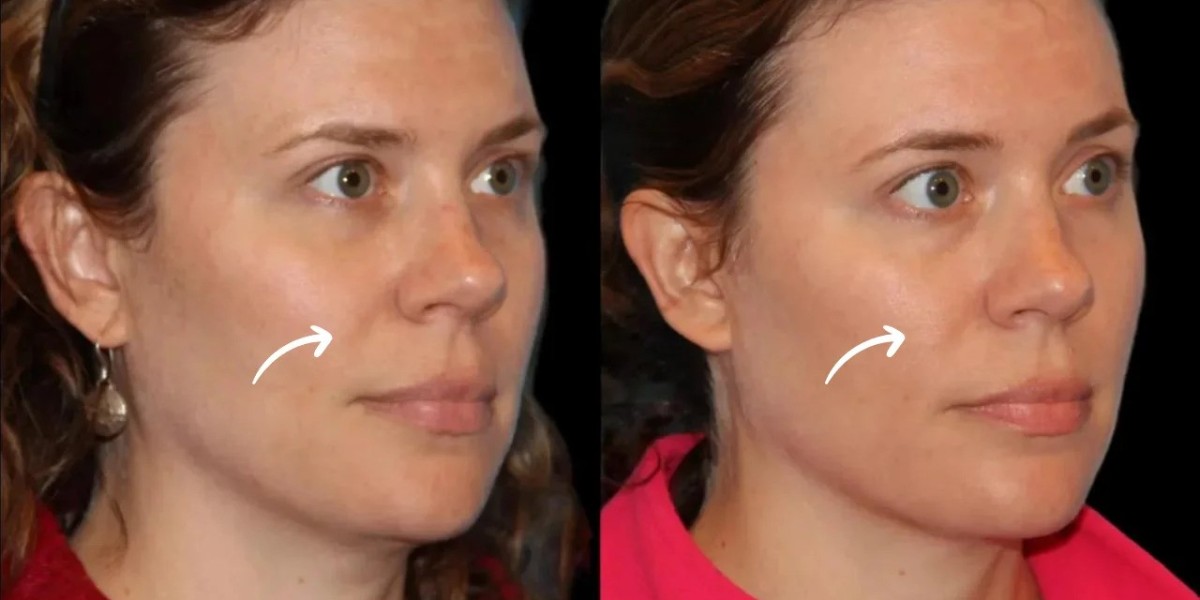

Facial beauty is not determined by one feature alone. A balanced appearance depends on how different areas of the face work together, including the forehead, temples, cheeks, jawline, and chin. The temples are particularly important because they connect the upper and middle portions of the face. When this area loses volume, the face may appear narrower, more hollow, or less harmonious.
Modern aesthetic treatments offer several approaches to addressing temple volume loss. One option is Sculptra, an injectable treatment designed to stimulate the body's natural collagen production gradually. Rather than providing immediate volume in the same way as traditional hyaluronic acid fillers, Sculptra works over time to improve volume and skin support.
Choosing the Best Plastic Surgeon in Dubai involves understanding facial anatomy, treatment suitability, and realistic aesthetic outcomes. A qualified professional should assess the temples as part of the entire facial structure instead of treating them as an isolated area.
This article explains how Sculptra may contribute to temple-face balance, what patients should consider before treatment, and why professional assessment matters when exploring Sculptra in Dubai.
Understanding Temple Volume and Facial Balance
The temples are located between the outer eyebrows and the upper cheekbones. They contain soft tissue and fat compartments that contribute to the smooth transition between the forehead and the middle of the face.
As people age, natural changes in facial fat distribution, collagen production, and skin elasticity can affect this region. Some individuals also naturally have deeper temples because of their facial structure.
Temple hollowing can influence the overall appearance of the face in several ways:
Reduced upper-face fullness: The area between the forehead and cheekbones may appear less supported.
More visible facial contours: Hollow temples can create stronger transitions between facial regions.
Changes in facial proportions: The upper face may appear narrower compared with the cheeks and jawline.
An aged appearance: Volume loss can contribute to a tired or less youthful facial appearance.
A professional assessment helps determine whether temple hollowing is caused by natural anatomy, age-related changes, or other factors.
How Sculptra Supports Temple-Face Balance
Sculptra is an injectable poly-L-lactic acid (PLLA) treatment that stimulates collagen production. Collagen is an important structural protein that helps maintain skin firmness and support.
Unlike treatments designed primarily for immediate volume replacement, Sculptra works gradually. After administration, the product encourages the body's natural collagen-building response, which develops over time.
Gradual Collagen Stimulation
One of the main characteristics of Sculptra is its gradual approach. Patients should not expect the final appearance immediately after treatment.
The treatment process involves several stages:
A qualified practitioner evaluates the patient's facial structure and treatment goals.
The treatment area is assessed for suitability and anatomical considerations.
Sculptra is prepared and administered using an appropriate technique.
The body's collagen response develops gradually.
Follow-up assessments help evaluate the progress and determine whether additional treatment is appropriate.
This gradual process can be suitable for individuals who prefer progressive changes rather than an immediate transformation.
Improving the Appearance of Hollow Temples
Temple hollowing can create an imbalance between the upper and middle portions of the face. In appropriately selected patients, collagen stimulation may help improve the appearance of volume deficiency.
However, temple treatment requires particular caution because this area contains important blood vessels, nerves, and anatomical structures. Not every patient with hollow temples is a suitable candidate for Sculptra.
The Best Plastic Surgeon in Dubai should carefully evaluate the treatment area, skin condition, medical history, and available treatment options before recommending an injectable procedure.
Why Temple-Face Balance Requires a Complete Facial Assessment
Treating temple hollowing without considering surrounding facial features may produce an unbalanced result. Facial proportions are interconnected, meaning changes in one area can influence how other features are perceived.
A comprehensive assessment considers several areas.
Forehead and Temple Connection
The forehead and temples create the upper facial outline. When the temples become hollow, the transition between these regions may appear less smooth.
A practitioner evaluates the forehead shape, temple depth, and surrounding tissue before deciding whether collagen stimulation is appropriate.
Temples and Cheeks
The temples connect visually with the cheekbones and midface. Significant volume loss in the temples can make the cheeks appear more prominent by comparison.
Patients interested in Sculptra cheeks should understand that cheek and temple treatments address different anatomical areas. Both require individual assessments rather than automatically being treated together.
Temples and Jawline
The upper face and lower face contribute to overall facial proportions. A balanced treatment plan considers whether the concern is genuinely related to temple hollowing or whether other structural features are influencing the appearance.
The objective should be facial harmony rather than adding volume to every area.
What the Best Plastic Surgeon in Dubai Evaluates Before Sculptra
Selecting the Best Plastic Surgeon in Dubai requires more than comparing treatment prices or promotional offers. Patients should consider professional qualifications, anatomical knowledge, clinical experience, and the quality of the consultation.
Several factors are particularly important when evaluating Sculptra for temple-face balance.
1. Facial Anatomy and Volume Distribution
The practitioner should understand the anatomical differences between the temples, forehead, cheeks, and other facial regions.
An assessment should identify the location and extent of volume deficiency. It should also consider the depth of hollowing and the condition of the surrounding tissues.
2. Skin Quality and Collagen Levels
Skin thickness, elasticity, and existing tissue support can influence treatment suitability.
Patients with different skin characteristics may respond differently to collagen-stimulating treatments. A practitioner should explain what Sculptra may realistically achieve based on the individual's condition.
3. Medical History and Previous Treatments
Previous fillers, surgical procedures, implants, and other aesthetic treatments may affect treatment planning.
Patients should disclose their complete aesthetic treatment history. This information helps the practitioner assess potential interactions, previous complications, and the safest approach.
4. Realistic Treatment Expectations
Sculptra is not an instant solution for every type of facial hollowing. Its results develop gradually, and multiple sessions may be recommended depending on individual needs.
A responsible practitioner explains the expected timeline, possible limitations, and potential risks before proceeding.
Sculptra Treatment Process for Temple Concerns
Understanding the treatment process can help patients make informed decisions.
Initial Consultation at Best Aesthetic Clinic in Dubai
The process begins with a detailed consultation. The practitioner examines facial proportions, temple volume, skin quality, and medical history.
Patients should discuss their concerns clearly, including whether they want to address hollow temples, improve upper-face proportions, or achieve a more balanced overall appearance.
A Best Aesthetic Clinic in Dubai should provide an environment where patients can ask questions and receive clear information about treatment options.
Treatment Planning
Once suitability has been established, the practitioner develops an individual treatment plan.
The plan may consider:
The degree of temple volume deficiency.
The patient's facial structure.
Existing skin quality.
Previous injectable treatments.
Expected collagen response.
Appropriate treatment intervals.
Follow-up requirements.
The number of sessions and product quantity should be determined individually rather than based on a standard package.
Sculptra Administration
Sculptra is administered by an appropriately qualified and experienced medical professional using a technique selected for the patient's anatomy.
Because the temple region has important vascular structures, injection placement and product administration require advanced anatomical knowledge.
Patients should never choose a provider solely because they advertise inexpensive Sculptra injections.
Recovery and Follow-Up
Temporary swelling, tenderness, redness, or bruising may occur after treatment.
Patients should follow their practitioner's aftercare instructions. Massage may be recommended according to the product's official guidance and the practitioner's assessment.
Follow-up appointments help evaluate healing, collagen development, and whether further treatment is appropriate.
Understanding the Role of a Sculptra Clinic in Dubai
Choosing a suitable Sculptra Clinic in Dubai is an important part of the treatment decision. A clinic should prioritise patient safety, professional assessment, and appropriate treatment planning.
Patients should consider the following points before selecting a provider:
Medical professionals should have appropriate qualifications and licensing.
The clinic should explain the treatment process and possible complications.
Patient medical history should be reviewed before treatment.
Product preparation and administration should follow appropriate protocols.
Patients should receive clear aftercare instructions.
Follow-up support should be available.
Perfect Doctors Clinic is a name patients may explore when researching aesthetic treatment options. Before proceeding, individuals should arrange a consultation to understand the available services, practitioner qualifications, and whether Sculptra is appropriate for their concerns.
Patients researching Dr. Perfect Celebrity should also prioritise verified professional credentials, relevant experience, and a transparent discussion of treatment suitability.
The title of Celebrity Doctor in Dubai or popularity on social media should never replace careful evaluation of medical qualifications and patient safety.
Sculptra Compared With Traditional Temple Fillers
Patients considering temple correction may encounter different injectable treatments. Understanding their differences helps establish realistic expectations.
| Feature | Sculptra | Hyaluronic Acid Fillers |
|---|---|---|
| Main mechanism | Stimulates collagen production | Adds immediate volume |
| Results | Develop gradually | Usually visible immediately |
| Treatment approach | Often requires multiple sessions | May require one or more sessions |
| Reversibility | No specific dissolving agent | Certain products can be dissolved using hyaluronidase |
| Main purpose | Gradual collagen-related improvement | Direct volume correction |
Neither option is automatically better for every patient. The appropriate treatment depends on anatomy, medical history, treatment goals, and practitioner assessment.
For some individuals, a traditional filler may be more appropriate for specific temple concerns. Others may be considered for collagen stimulation. A qualified practitioner should explain the advantages and limitations of each approach.
Who May Be Suitable for Sculptra Temple Treatment?
Sculptra may be considered for adults who have appropriate indications for collagen stimulation and want gradual improvement in facial volume.
Potential candidates may include individuals who:
Have mild to moderate temple volume loss.
Prefer gradual changes rather than immediate volume replacement.
Have realistic expectations about treatment outcomes.
Are suitable candidates following a medical assessment.
Can follow the recommended treatment and aftercare plan.
However, not everyone is suitable.
Patients with certain medical conditions, active skin infections, relevant allergies, or other contraindications may need to avoid treatment. Sculptra is not intended for every anatomical area, and temple injections require special consideration.
A proper consultation is essential before making a decision.
Potential Risks and Safety Considerations
Although Sculptra is used in aesthetic medicine, it is not without risks. Patients should understand possible side effects before treatment.
Common temporary effects may include:
Swelling.
Redness.
Bruising.
Tenderness.
Discomfort around the injection area.
Other complications can include palpable lumps, nodules, delayed inflammatory reactions, and uneven results.
Temple injections also carry a risk of serious vascular complications because of the complex blood supply in this region. In rare cases, vascular injury can lead to tissue damage or visual complications.
Patients should seek immediate medical attention if they experience severe or unusual pain, skin colour changes, or any visual disturbance after an injection.
Choosing an appropriately qualified medical professional, disclosing medical history, and following aftercare instructions are essential safety considerations.
Factors That Influence Sculptra Cost in Dubai
The Sculptra cost in Dubai can vary according to several factors. Patients should understand what contributes to the overall treatment expense rather than selecting a clinic based only on the lowest advertised price.
Important considerations include:
Number of Vials Required
The amount of product needed depends on the patient's anatomy, treatment area, and individual goals. Temple treatment requirements are different from other facial or body procedures.
Number of Treatment Sessions
Some patients may require more than one session to achieve their intended outcome. Treatment intervals and the total number of sessions depend on clinical assessment.
Practitioner Experience
The qualifications and experience of the treating professional are important considerations, particularly for anatomically complex areas such as the temples.
Clinic Standards
The clinic's medical facilities, treatment protocols, consultation process, and follow-up arrangements may also influence pricing.
Patients researching Sculptra price should request a personalised estimate after consultation. The price should clearly explain what is included and whether follow-up appointments or additional sessions involve separate costs.
Other Sculptra Treatment Areas Patients May Explore
Although this article focuses on temple-face balance, Sculptra is also discussed in connection with other aesthetic concerns.
Understanding the differences between treatment areas is important because the techniques, indications, and suitability requirements are not interchangeable.
Sculptra for Facial Areas
Sculptra face treatments focus on collagen stimulation and gradual improvement in selected facial areas.
Depending on individual suitability, patients may explore concerns involving the cheeks and other facial regions. Sculptra dermal filler is another commonly used search term for this treatment, although Sculptra is technically a collagen-stimulating injectable rather than a conventional hyaluronic acid filler.
Sculptra for the Neck
Sculptra for neck concerns may involve skin quality, collagen support, and selected signs of ageing. Neck treatment requires a separate assessment because the skin and underlying anatomy differ from those of the face.
Sculptra for Buttocks and Hip Dips
Some patients also research body treatments, including Sculptra for buttocks, Sculptra for hip dips, and Sculptra filler for buttocks.
These procedures have different treatment goals and product considerations compared with temple injections.
Searches for buttocks Sculptra, Sculptra buttock injections, and body-contouring treatments should not be confused with facial collagen stimulation. Patients should discuss the approved indications, safety considerations, and suitability of any proposed body treatment with a qualified medical professional.
How to Maintain Realistic Expectations After Sculptra
Sculptra is designed to support gradual collagen development, so patience is important.
Patients should understand that:
Results do not appear fully on the day of treatment.
Individual responses can vary.
More than one treatment session may be recommended.
Natural ageing continues after treatment.
Results cannot be guaranteed or predicted precisely.
Maintaining general skin health through sun protection, suitable skincare, and healthy lifestyle habits can support overall skin quality. However, these habits do not replace professional treatment or guarantee better Sculptra results.
Patients should also avoid comparing their progress directly with photographs or experiences shared by other individuals. Facial anatomy, collagen response, and treatment plans differ from person to person.
Conclusion
Temple volume plays an important role in overall facial harmony. When this area becomes hollow, it can change the relationship between the forehead, temples, and cheeks, making the face appear less balanced.
Sculptra offers a gradual collagen-stimulating approach that may help selected patients improve the appearance of temple volume loss. However, treatment requires careful planning, anatomical knowledge, and realistic expectations.
Choosing the Best Plastic Surgeon in Dubai means looking beyond advertising and focusing on professional qualifications, clinical experience, patient safety, and individualised treatment recommendations.
Whether exploring Sculptra in Dubai, researching a Sculptra Clinic in Dubai, or comparing available treatment options, patients should prioritise a thorough consultation before proceeding. The most appropriate treatment is one that respects natural facial proportions while placing safety and long-term suitability first.
Frequently Asked Questions (FAQs)
1. What Is Sculptra and How Does It Help With Temple-Face Balance?
Sculptra is an injectable poly-L-lactic acid treatment that stimulates collagen production. In appropriately selected patients, it may help improve the appearance of temple volume loss gradually, supporting a more harmonious transition between the forehead and cheeks.
2. Can Sculptra Treat Hollow Temples?
Sculptra may be considered for selected patients with temple volume deficiency. However, the temple is an anatomically complex area, so treatment suitability and safety must be evaluated by an appropriately qualified medical professional.
3. How Long Does Sculptra Take to Show Results?
Sculptra works gradually as the body produces collagen. Initial changes may develop over several weeks, with further improvement occurring over subsequent months. Individual results and timelines vary.
4. Is Sculptra Better Than Traditional Fillers for Temple Volume Loss?
Neither treatment is universally better. Sculptra stimulates collagen production gradually, while hyaluronic acid fillers provide more immediate volume. The appropriate option depends on the patient's anatomy, goals, and medical assessment.
5. How Many Sculptra Sessions Are Needed for Temple Treatment?
The number of sessions varies according to the degree of volume loss, individual response, and treatment goals. A practitioner should recommend the treatment schedule after examining the patient.
6. What Should I Look for When Choosing the Best Plastic Surgeon in Dubai?
Look for appropriate medical qualifications, relevant experience, knowledge of facial anatomy, transparent consultation practices, and a strong focus on patient safety. The practitioner should explain treatment risks, alternatives, and realistic outcomes.
7. What Is the Average Sculptra Cost in Dubai?
The Sculptra cost varies according to product quantity, treatment sessions, practitioner experience, and clinic standards. Patients should request a personalised quotation following an in-person consultation.
8. Can Sculptra Be Combined With Cheek Treatments?
In selected cases, different facial areas may be included in a broader treatment plan. However, temple and cheek concerns should be evaluated separately to maintain natural facial proportions and avoid unnecessary treatment.
9. Are There Side Effects Associated With Sculptra Temple Injections?
Possible side effects include swelling, bruising, redness, tenderness, lumps, and nodules. Rare but serious vascular complications are also possible. Patients should understand these risks before treatment and seek urgent care for visual symptoms or signs of vascular injury.
10. How Do I Know Whether I Am Suitable for Sculptra in Dubai?
Suitability depends on facial anatomy, skin condition, medical history, previous aesthetic procedures, and treatment expectations. A qualified medical professional should conduct a comprehensive assessment before recommending Sculptra.










