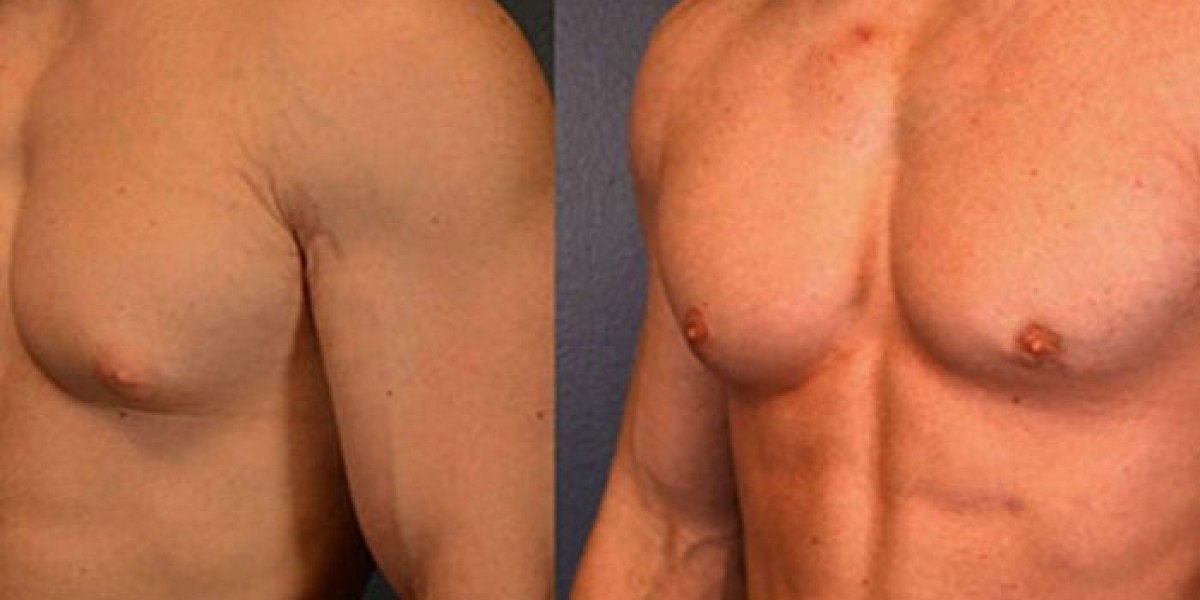

Enlarged areolas can affect the overall appearance of the male chest, particularly when accompanied by excess breast tissue or puffiness around the nipples. Some men notice that their areolas appear stretched, enlarged, or more prominent than the surrounding chest area, creating an uneven appearance. These changes may be associated with gynecomastia, a condition involving the development of excess male breast tissue. For individuals seeking a more balanced chest appearance, Gynecomastia surgery in Riyadh offers a surgical approach to addressing enlarged breast tissue and improving the surrounding contours. Understanding the causes and available treatment techniques can help men explore suitable solutions for their concerns.
Changes in areola size and nipple appearance can occur alongside glandular breast enlargement, hormonal fluctuations, weight changes, or variations in skin elasticity. Although enlarged areolas are not necessarily a medical concern, they may affect how men feel about their chest appearance and clothing choices. Gynecomastia surgery in Riyadh may help suitable candidates reduce excess glandular tissue and improve the appearance of the nipple-areola area when enlargement is related to gynecomastia. A personalized examination helps determine whether tissue removal, liposuction, areolar reduction, or a combination of techniques may be appropriate.
Understanding Enlarged Areolas in Men
The areola is the pigmented circular area surrounding the nipple. Its size, shape, and color naturally vary between individuals. However, some men experience noticeable enlargement or stretching, particularly when excess breast tissue develops underneath the nipple. This can create a puffy appearance and make the chest look less defined.
Gynecomastia may contribute to these changes because enlarged glandular tissue can push the nipple and surrounding areola outward. In some cases, excess skin or changes in body composition may also influence the appearance of this area. Identifying the underlying cause is important before selecting an appropriate treatment.
Common Causes of Enlarged Areolas in Men
Several factors can influence areola appearance and contribute to changes in male chest contours.
Hormonal fluctuations: Changes in estrogen and testosterone levels may encourage breast tissue development.
Glandular enlargement: Excess breast tissue beneath the nipple can create a protruding or stretched appearance.
Weight fluctuations: Changes in body fat may affect chest volume and surrounding skin.
Genetic factors: Natural anatomical characteristics can influence nipple and areola size.
Skin elasticity: Reduced skin firmness may contribute to a stretched appearance after changes in chest volume.
Understanding these factors allows a surgeon to distinguish between enlarged glandular tissue, excess fat, and areolar changes that may require a different surgical approach.
How Gynecomastia Surgery Helps Improve Areola Appearance
Gynecomastia surgery focuses on removing excess breast tissue and improving the overall chest contour. When enlarged areolas are associated with glandular enlargement, reducing the underlying tissue may help improve their appearance. However, removing breast tissue does not automatically reduce the actual diameter of the areola in every patient.
Removal of Excess Glandular Tissue
When enlarged breast glands create puffiness beneath the areola, surgical excision may be recommended. The surgeon removes excess glandular tissue through carefully positioned incisions, often around the edge of the areola. Reducing the underlying fullness can help create a flatter appearance around the nipple.
Liposuction for Surrounding Chest Fat
When excess fat contributes to chest fullness, liposuction may help improve the surrounding contours. Small incisions allow a specialized instrument to remove targeted fat deposits. This can create a smoother transition between the nipple area and the surrounding chest.
Areola Reduction When Necessary
Some men continue to have enlarged areolas even after the underlying breast tissue has been addressed. In selected cases, a separate areolar reduction technique may be considered. This involves removing a carefully measured portion of the surrounding areolar skin to reduce its diameter. The surgeon evaluates skin quality, nipple position, healing considerations, and potential scarring before recommending this approach.
Who May Benefit From Surgical Treatment?
Men experiencing persistent breast enlargement, prominent areolas, or puffiness around the nipples may consider a professional assessment. Suitable candidates generally have stable body weight, good overall health, and realistic expectations about surgical improvements.
Before treatment, the surgeon may evaluate:
The size and shape of the areolas.
The amount of glandular tissue beneath the nipples.
The presence of excess chest fat or loose skin.
Overall chest symmetry and skin elasticity.
Medical history and possible hormonal influences.
Sudden breast enlargement, nipple discharge, unexplained pain, or a noticeable lump should be medically evaluated before considering cosmetic surgery.
What to Expect During the Surgical Procedure
The process begins with a consultation to understand the patient's concerns and assess the chest structure. The surgeon determines whether glandular tissue removal, liposuction, areolar reduction, or a combination of procedures may be suitable.
During surgery, the selected technique is performed using appropriate anesthesia. Incisions are planned according to the required treatment and individual anatomy. The surgeon works to improve chest proportions while preserving the natural appearance and function of the nipple-areola area. Afterward, patients receive instructions regarding compression garments, incision care, and follow-up appointments.
Recovery and Results After Treatment
Recovery depends on the extent of surgery and the techniques performed. Temporary swelling, bruising, tenderness, and changes in nipple sensation may occur during the initial healing period. Patients are generally advised to follow postoperative instructions, avoid strenuous activities until medically cleared, and attend scheduled follow-up visits.
As swelling decreases, improvements in chest contours and areola appearance become more noticeable. Final results may take several months to develop. Potential complications include infection, bleeding, visible scarring, asymmetry, changes in nipple sensation, and wound-healing concerns. Discussing these possibilities with the surgeon helps patients understand the procedure and make informed decisions.
Improve Chest Proportions With Personalized Treatment
Enlarged areolas can have different underlying causes, so treatment should address the specific anatomical concern rather than focus only on appearance. Gynecomastia surgery in Riyadh may help suitable candidates improve chest contours by addressing excess glandular tissue, localized fat, and selected areolar concerns. A professional consultation helps determine the most appropriate approach while establishing realistic expectations about the outcome.
Book Your Appointment at Royal Clinic Saudi
If enlarged areolas or unwanted chest fullness are affecting your confidence, consider scheduling a consultation at Royal Clinic Saudi. A professional assessment can help identify the underlying concern and explain suitable treatment approaches for improving your chest appearance. Contact Royal Clinic Saudi to arrange an appointment and discuss your aesthetic goals.
Frequently Asked Questions
1. Can gynecomastia surgery reduce enlarged areolas in men?
It may improve their appearance by removing underlying glandular tissue, although separate areola reduction may sometimes be necessary.
2. What causes enlarged areolas in men?
Hormonal changes, glandular enlargement, genetics, weight fluctuations, and skin changes may contribute.
3. Can liposuction correct enlarged areolas?
Liposuction can reduce surrounding chest fat, but it does not directly reduce areola diameter.
4. Will areola reduction leave scars?
Yes, some scarring is possible, although incisions are generally planned around the areola to make scars less noticeable.










