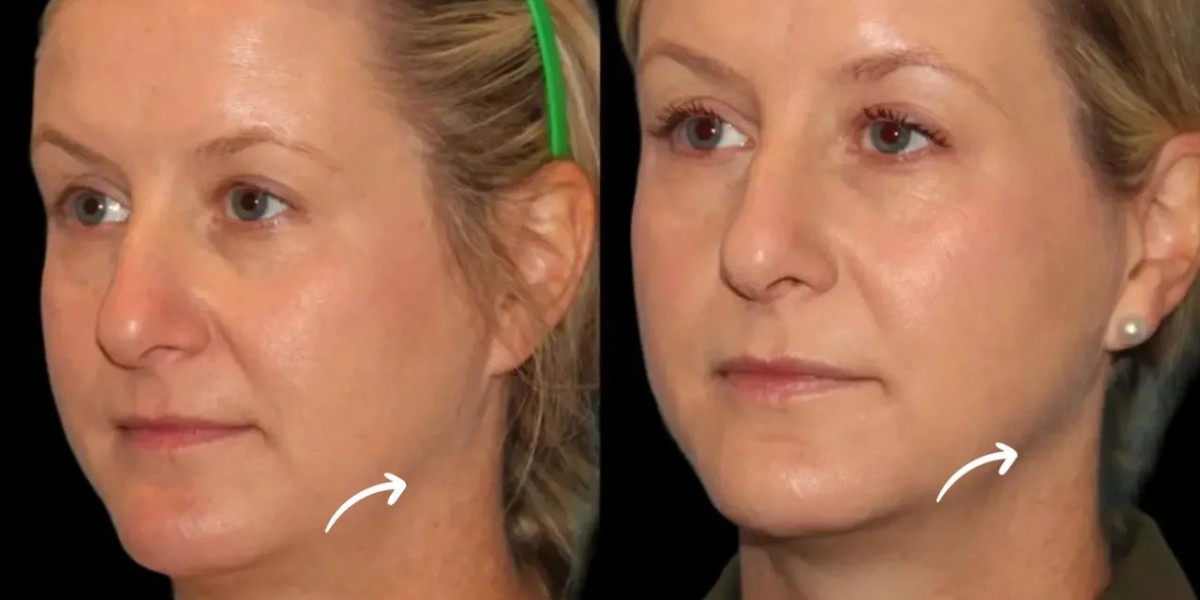

Hormonal changes can influence several aspects of skin health, including collagen production, elasticity, hydration, and tissue structure. These changes may occur during different stages of life, such as menopause, perimenopause, pregnancy, postpartum recovery, or periods of hormonal imbalance. For individuals considering collagen-stimulating treatments, understanding these factors is an important part of making informed aesthetic decisions.
Best Doctors in Dubai consider more than visible signs of ageing when evaluating someone for Sculptra fillers. They also assess relevant medical history, skin condition, treatment expectations, and factors that may influence the body's response to collagen stimulation. This approach helps establish whether Sculptra is appropriate and how a treatment plan should be structured.
Sculptra is an injectable treatment containing poly-L-lactic acid (PLLA), a biocompatible substance that stimulates the body's natural collagen production. Unlike traditional hyaluronic acid fillers, which primarily provide immediate volume, Sculptra works gradually to support improvements in facial volume and skin structure.
At Perfect Doctors Clinic, treatment planning can take hormonal considerations into account when evaluating individual aesthetic needs. Understanding these connections helps patients approach Sculptra in Dubai with realistic expectations and a more informed perspective.
Understanding the Relationship Between Hormones and Skin Health
Hormones act as chemical messengers that influence many biological processes. Some hormones are particularly relevant to skin structure, hydration, and tissue maintenance.
Oestrogen, for example, contributes to collagen production, skin thickness, moisture retention, and elasticity. Changes in oestrogen levels can affect the appearance and texture of the skin, particularly during menopause.
How Oestrogen Changes Affect Collagen
Oestrogen plays an important role in maintaining healthy skin. As levels decline, particularly during menopause, several changes may become noticeable:
Reduced collagen production.
Increased skin dryness.
Reduced elasticity and firmness.
Changes in skin thickness.
More noticeable fine lines and wrinkles.
Changes in facial volume and skin texture.
These developments can influence how someone evaluates their suitability for Sculptra fillers.
However, hormonal changes do not automatically mean that a person needs injectable treatment. A complete assessment is necessary to distinguish between changes related to ageing, lifestyle, environmental exposure, and hormonal fluctuations.
The Influence of Other Hormones
Other hormones may also influence skin appearance and tissue characteristics.
Cortisol, commonly associated with stress, can affect skin health when stress levels remain elevated over extended periods. Thyroid hormones influence several metabolic processes, and significant thyroid imbalances may be associated with changes in skin texture and moisture.
Insulin and other metabolic hormones can also influence overall tissue health.
Best Doctors in Dubai consider relevant medical information rather than assuming that every skin change is caused by declining collagen or hormonal fluctuations.
Why Hormonal History Matters Before Sculptra Fillers
Aesthetic treatment planning should begin with an understanding of the patient's current condition and medical background.
Hormonal history can provide useful context when assessing changes in facial volume, skin firmness, and tissue quality. It may also help identify situations where further medical evaluation is appropriate before proceeding.
Identifying Life Stages Associated With Hormonal Changes
Different life stages can bring changes in hormone levels. These include:
Perimenopause: Hormonal fluctuations may contribute to changes in skin hydration, elasticity, and texture.
Menopause: Reduced oestrogen levels may contribute to decreased collagen levels and changes in skin thickness.
Postpartum recovery: Hormonal shifts following childbirth can influence skin hydration, pigmentation, and general tissue condition.
Thyroid-related changes: Thyroid hormone imbalances may affect skin texture and overall health.
Long-term stress: Changes in stress-related hormone activity may contribute to broader skin-health concerns.
These factors do not necessarily prevent someone from receiving Sculptra injections. Instead, they provide additional information that can help guide an appropriate treatment decision.
Reviewing Medical and Medication History
Before recommending treatment, practitioners should review relevant medical conditions, medications, previous cosmetic procedures, allergies, and any ongoing medical investigations.
Patients should mention known hormonal conditions, prescribed hormone treatments, thyroid medication, and recent changes in their health.
This information helps determine whether treatment should proceed, be postponed, or require additional medical assessment.
How Best Sculptra Fillers Doctors in Dubai Evaluate Candidates for Sculptra
A professional consultation of Best Sculptra Fillers Doctors in Dubai involves several assessment stages. The purpose is to understand the patient's aesthetic concerns while considering factors that could affect treatment suitability.
1. Evaluating Skin Quality and Elasticity
Skin quality provides important information about the condition of the treatment area.
Practitioners may assess:
Skin thickness and texture.
Visible signs of collagen loss.
Fine lines and wrinkles.
Skin elasticity.
Areas of reduced volume.
General tissue condition.
Hormonal changes may contribute to some of these characteristics, but they are not the only possible causes.
The assessment helps determine whether collagen stimulation is suitable for the patient's concerns.
2. Understanding Facial Volume Changes
Hormonal changes and natural ageing can occur alongside changes in facial fat distribution and supporting tissue.
Some individuals notice reduced fullness around the cheeks, temples, or lower face. Others experience changes in skin firmness without significant volume loss.
Best Sculptra Fillers Doctors in Dubai should distinguish between these concerns before recommending an injectable approach.
For example, someone experiencing significant facial volume loss may have different treatment priorities from someone whose primary concern is mild skin laxity.
3. Discussing Treatment Expectations
Sculptra produces gradual results rather than immediate, dramatic changes.
During consultation, patients should understand that collagen production takes time and that individual responses vary.
Practitioners should explain:
The expected treatment timeline.
The possibility of multiple sessions.
The anticipated degree of improvement.
Potential side effects and complications.
The importance of follow-up appointments.
This discussion is particularly important for patients who expect hormonal changes to be reversed through cosmetic treatment. Sculptra does not correct hormonal imbalances or treat the underlying causes of hormonal skin changes.
Sculptra and Menopause-Related Skin Changes
Menopause is one of the life stages most commonly associated with changes in skin structure.
As oestrogen levels decline, collagen levels may decrease, and the skin may become thinner, drier, and less elastic. These changes can make facial ageing more noticeable.
Can Sculptra Support Collagen Loss During Menopause?
Sculptra stimulates the body's natural collagen production through its poly-L-lactic acid formulation.
For suitable candidates, this process may gradually improve facial volume and support the appearance of skin structure.
However, it is important to understand the treatment's limitations. Sculptra does not restore oestrogen levels, reverse menopause, or completely replace naturally lost collagen.
A practitioner should evaluate the patient's skin condition, treatment goals, and medical background before recommending the procedure.
Planning Treatment Around Changing Skin Needs
Skin characteristics may continue to change during menopause. Therefore, treatment decisions should be based on current needs rather than assumptions about future ageing.
A gradual treatment approach may be considered when appropriate. This allows practitioners to evaluate the response between sessions and determine whether additional treatment is necessary.
Patients exploring Sculptra face treatments should discuss their concerns about cheek volume, facial contours, and skin firmness during consultation.
Hormonal Changes and Sculptra Treatments for Different Body Areas
Although Sculptra is widely recognised for facial collagen stimulation, it may also be considered for certain body areas depending on the treatment indication, product authorisation, and practitioner expertise.
Hormonal changes can affect different areas of the body in different ways. However, the suitability of each treatment area must be assessed independently.
Sculptra for Buttocks and Hip Dips
Changes in body composition, ageing, and hormonal fluctuations may influence the appearance of the buttocks and surrounding areas.
Some patients explore Sculptra for buttocks to improve the appearance of volume and contour.
Treatment planning should consider tissue characteristics, anatomical structure, and individual expectations.
Patients researching Sculptra buttock injections, Sculptra filler for buttocks, buttocks Sculptra, or Sculptra for hip dips should understand that these are specialised applications requiring careful assessment.
The practitioner should explain the evidence, safety considerations, regulatory status, and potential complications associated with the proposed treatment area.
Sculptra for Neck Concerns
The neck can develop visible changes in texture and firmness as collagen levels decline.
Hormonal changes may contribute to these developments, particularly alongside natural ageing and environmental exposure.
Patients considering Sculptra for neck concerns should undergo an assessment to determine whether collagen stimulation is appropriate or whether another treatment approach would be more suitable.
Sculptra for Cheeks
The cheeks are another area where age-related volume changes may become noticeable.
Changes in facial fat distribution and collagen structure can influence cheek contours.
Sculptra cheeks treatments may be considered for suitable candidates seeking gradual improvements in facial fullness. Practitioners should assess facial anatomy and explain the differences between collagen-stimulating treatments and traditional dermal fillers.
The Role of Celebrity Clinics in Dubai in Personalised Treatment Planning
Interest in aesthetic treatments has increased among individuals seeking subtle and natural-looking improvements.
Celebrity Clinics in Dubai often attract attention because patients associate celebrity-focused aesthetic services with personalised consultations and carefully planned treatments.
However, a clinic's reputation or celebrity associations should never replace medical qualifications, clinical experience, and appropriate patient assessment.
Why Individualised Assessments Matter
Two patients experiencing similar hormonal changes may have completely different skin conditions and treatment requirements.
One person may experience reduced cheek volume, while another may primarily notice dryness and fine lines.
A personalised consultation should consider:
Current skin condition.
Relevant hormonal and medical history.
Previous aesthetic procedures.
Treatment area and anatomical features.
Individual expectations.
Potential risks and contraindications.
Celebrity Doctors In Dubai should also communicate the limitations of aesthetic procedures rather than suggesting that a single injectable treatment can address every concern associated with ageing.
At Perfect Doctors Clinic, the focus of a consultation should be on understanding the patient's goals and identifying an appropriate treatment strategy.
What Patients Should Discuss Before Sculptra Injections
Preparing for a consultation can make the assessment more productive.
Patients should provide accurate information about their health and any changes they have noticed.
Hormonal and Medical Information
Consider discussing:
Known hormonal conditions.
Menopause or perimenopause status.
Thyroid-related medical history.
Current medications and supplements.
Previous hormone therapy.
Recent pregnancy or postpartum recovery.
Any ongoing medical investigations.
Patients should not stop prescribed medication or change hormone therapy for cosmetic treatment without advice from their treating healthcare professional.
Previous Cosmetic Treatments
Previous injectables and aesthetic procedures are also important.
Patients should inform their practitioner about previous dermal fillers, collagen-stimulating treatments, facial procedures, and any complications they have experienced.
This information helps practitioners evaluate the treatment area and avoid inappropriate treatment combinations.
Questions to Ask During Consultation
Patients can ask:
Is Sculptra suitable for my current skin condition?
Could my hormonal history affect treatment planning?
How many sessions might I need?
When should I expect visible changes?
What side effects should I understand?
Are there alternative treatments for my concerns?
These questions help establish realistic expectations before proceeding.
Understanding Sculptra Cost and Treatment Planning
The Sculptra cost depends on several factors, including the treatment area, number of vials, number of sessions, practitioner expertise, and individual treatment requirements.
Patients researching Sculptra price should avoid comparing treatment options based only on the lowest advertised amount.
A professional treatment estimate should explain what is included and why a particular amount of product has been recommended.
Factors That Influence Treatment Costs
Common factors include:
The number of treatment sessions.
The quantity of product required.
The area being treated.
The complexity of the treatment plan.
Practitioner experience.
Follow-up and review requirements.
For patients considering Sculptra dermal filler treatments, it is important to understand that Sculptra differs from conventional hyaluronic acid fillers in composition, mechanism, and treatment timeline.
A consultation at Perfect Doctors Clinic can help patients understand the proposed treatment plan and the factors influencing their estimated Sculptra cost.
Safety Considerations for Patients Experiencing Hormonal Changes
Hormonal changes should be discussed openly during an aesthetic consultation. Although they are not automatically a contraindication to Sculptra, certain medical conditions or circumstances may affect treatment suitability.
Sculptra should be administered by an appropriately trained and qualified healthcare professional.
Potential side effects include swelling, bruising, redness, tenderness, and discomfort at the injection site. Less common complications may include nodules, lumps, infection, and inflammatory reactions.
Patients should also understand that injectable treatments carry risks that depend on the treatment area and injection technique.
When Treatment May Need to Be Delayed
A practitioner may recommend postponing treatment when:
There is an active infection in the proposed treatment area.
A relevant medical condition requires further evaluation.
The patient has an unresolved reaction from a previous injectable treatment.
There are important contraindications in the patient's medical history.
The patient is pregnant or breastfeeding, circumstances in which elective cosmetic injectable treatment is generally deferred due to insufficient safety evidence.
Hormonal concerns that require medical investigation should be evaluated by an appropriate healthcare professional rather than managed through aesthetic injections.
Conclusion
Hormonal changes can influence collagen production, skin elasticity, hydration, and facial appearance. These developments may become particularly noticeable during menopause, postpartum recovery, and other periods of hormonal fluctuation.
Best Doctors in Dubai should consider these factors as part of a comprehensive assessment before recommending Sculptra fillers. Reviewing medical history, evaluating skin quality, understanding facial volume changes, and discussing realistic expectations all contribute to responsible treatment planning.
Sculptra may be appropriate for selected individuals seeking gradual improvements through collagen stimulation, but it does not treat hormonal imbalances or replace medical care.
At Perfect Doctors Clinic, patients can discuss their aesthetic concerns, medical background, and treatment expectations with the aim of developing an individualised approach. With appropriate assessment and informed decision-making, patients can better understand whether Sculptra in Dubai aligns with their needs.
Frequently Asked Questions
1. Why do Best Doctors in Dubai consider hormonal changes before Sculptra fillers?
Hormonal changes can influence collagen production, skin hydration, elasticity, and tissue structure. Reviewing these factors helps practitioners understand the patient's skin condition and determine whether Sculptra is appropriate.
2. Can menopause affect the results of Sculptra treatments?
Menopause can contribute to reduced collagen production and changes in skin elasticity. Sculptra stimulates collagen production, but individual responses vary. Menopause itself does not guarantee a particular treatment result.
3. Is Sculptra suitable for patients experiencing hormonal imbalances?
Some patients with hormonal conditions may be suitable candidates. However, the underlying condition, current health status, medications, and treatment area should be reviewed before proceeding.
4. Does Sculptra restore collagen lost because of hormonal changes?
Sculptra stimulates the body's natural collagen production. It may help improve certain age-related changes, but it does not completely restore lost collagen or correct the hormonal changes responsible for them.
5. Can Sculptra injections improve facial volume during menopause?
Sculptra may gradually improve facial volume in appropriately selected patients. A consultation is necessary to assess cheek structure, skin condition, and individual treatment goals.
6. Are Celebrity Doctors In Dubai more experienced in hormonal skin assessments?
Celebrity status does not establish medical expertise. Patients should evaluate a practitioner's medical qualifications, injectable treatment experience, patient assessment process, and ability to explain potential risks.
7. Can patients receive Sculptra for buttocks if they experience hormonal changes?
Hormonal changes do not automatically prevent treatment. However, Sculptra for buttocks requires a specialised assessment of anatomy, treatment suitability, product authorisation, and potential complications.
8. How does hormonal history influence Sculptra cost?
Hormonal history does not directly determine the treatment price. However, additional assessments, treatment considerations, and individual requirements may influence the overall treatment plan and estimated cost.
9. Should patients undergoing hormone therapy avoid Sculptra fillers?
Not necessarily. Patients should disclose their hormone therapy and relevant medical history during consultation. Their treating healthcare professional and aesthetic practitioner can help determine whether proceeding is appropriate.
10. How can patients prepare for a Sculptra consultation at Perfect Doctors Clinic?
Patients should prepare information about their medical history, hormonal conditions, medications, previous aesthetic procedures, and treatment goals. They should also ask about expected results, potential risks, treatment sessions, and aftercare.