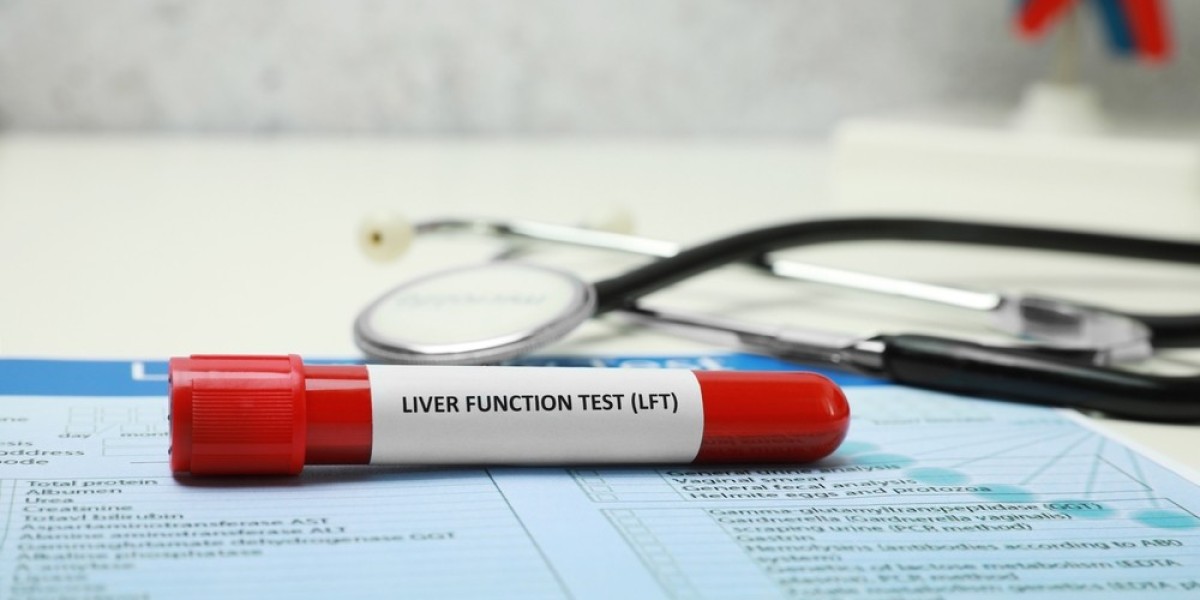

The liver plays an important role in keeping the body healthy. It helps digest food, process nutrients, remove harmful substances from the blood, produce essential proteins, and regulate several body functions. When the liver becomes damaged or does not work properly, these processes can be affected. However, many liver conditions develop without noticeable symptoms during their early stages. This is one reason doctors often recommend liver function tests to assess liver health and identify possible problems.
Liver function tests (LFTs) are blood tests that measure specific enzymes, proteins, and substances related to liver health. Doctors use these results to investigate symptoms, monitor existing liver conditions, and check whether certain medications are affecting the liver. Understanding why these tests are ordered can help people recognize the importance of routine health monitoring and seek medical advice when needed.
What Are Liver Function Tests?
Liver function tests are a group of blood tests that help healthcare professionals evaluate liver health. They measure substances released by liver cells and proteins produced by the liver. These measurements provide useful information about possible liver injury, inflammation, bile flow problems, and the liver's ability to perform certain functions.
A typical liver function panel may include alanine aminotransferase (ALT), aspartate aminotransferase (AST), alkaline phosphatase (ALP), bilirubin, albumin, and total protein. Some panels also include gamma-glutamyl transferase (GGT). Doctors may request additional tests, such as prothrombin time (PT) and international normalized ratio (INR), when they need to assess blood clotting and liver function more closely.
It is important to understand that these tests do not measure every function of the liver. Some markers indicate liver cell damage, while others provide information about protein production and bile flow. Doctors interpret the complete pattern alongside symptoms, medical history, and other investigations.
Why Do Doctors Order Liver Function Tests?
Doctors recommend liver function tests for several medical reasons. These tests help investigate unexplained symptoms, identify possible liver problems, and monitor patients who already have liver-related conditions.
1. To Investigate Unexplained Symptoms
Certain physical changes may indicate a problem with the liver. Doctors may order LFTs when patients experience persistent fatigue, nausea, loss of appetite, abdominal discomfort, or unexplained itching.
Other possible warning signs include yellowing of the skin or eyes, dark urine, pale stools, and swelling around the abdomen. These symptoms do not always indicate liver disease, but they deserve medical attention, especially when they occur together.
2. To Detect Possible Liver Damage
Liver cells release certain enzymes into the bloodstream when they become injured. Higher levels of ALT and AST may indicate liver cell damage or inflammation. Doctors examine these enzyme levels to investigate possible causes and decide whether further testing is necessary.
However, elevated liver enzymes do not automatically mean someone has a serious liver condition. Temporary changes can occur due to medications, infections, intense exercise, and other health problems.
3. To Monitor Existing Liver Conditions
People diagnosed with hepatitis, fatty liver disease, cirrhosis, or other liver conditions may need regular blood testing. Repeated results help doctors understand whether the condition is improving, remaining stable, or becoming worse.
Monitoring also helps healthcare professionals evaluate treatment responses and decide whether patients need additional investigations or changes to their care plans.
4. To Check Medication Side Effects
Some prescription medicines and supplements can affect liver health. Doctors may recommend liver function tests before starting certain treatments or during long-term medication use.
These tests help identify possible medication-related liver injury. Patients should always inform their healthcare provider about their medicines, vitamins, and herbal supplements rather than stopping prescribed treatment independently.
5. As Part of Preventive Healthcare
Doctors may include liver testing in a health assessment when a patient has certain risk factors. These include obesity, type 2 diabetes, high cholesterol, metabolic syndrome, and a history of liver disease.
Routine testing is not necessary for everyone. Healthcare professionals decide whether testing is appropriate based on individual health needs and medical history.
What Do Liver Function Tests Measure?
Different markers provide different information about liver health. Understanding these components makes it easier to understand why doctors request a particular blood test.
Alanine Aminotransferase (ALT)
ALT is an enzyme found mainly in liver cells. When these cells become damaged, ALT can enter the bloodstream. Higher ALT levels may indicate liver inflammation or injury.
Common causes include fatty liver disease, viral hepatitis, alcohol-related liver injury, and certain medications. Doctors interpret ALT alongside other test results to understand possible causes.
Aspartate Aminotransferase (AST)
AST is an enzyme found in the liver, heart, muscles, and other tissues. Elevated AST may indicate liver injury, but it can also increase because of muscle damage or other health conditions.
Doctors often compare AST with ALT to understand the pattern of enzyme changes and determine whether further investigations are needed.
Alkaline Phosphatase (ALP)
ALP is an enzyme found in the liver, bile ducts, and bones. Higher levels may indicate problems with bile flow or certain liver conditions. However, bone-related conditions can also increase ALP.
Healthcare professionals may request additional tests, including GGT, to help identify whether an elevated ALP level is related to the liver.
Bilirubin
Bilirubin is a yellow substance produced when the body breaks down old red blood cells. The liver processes bilirubin so the body can remove it through bile.
High bilirubin levels can cause jaundice, which makes the skin and eyes appear yellow. Possible causes include liver inflammation, increased breakdown of red blood cells, and blocked bile ducts.
Albumin and Total Protein
Albumin is a protein produced by the liver. It helps maintain fluid balance and transport different substances through the bloodstream. Low albumin levels may occur in advanced liver disease, but kidney problems, poor nutrition, and other conditions can also affect them.
Total protein measures the combined amount of albumin and globulins in the blood. Doctors use these results alongside other findings to assess a patient's overall health.
Which Health Conditions Can Liver Function Tests Help Identify?
Abnormal liver test results can provide clues about several medical conditions. However, additional investigations are often necessary to confirm a diagnosis.
Fatty Liver Disease
Fatty liver disease, now commonly referred to as metabolic dysfunction-associated steatotic liver disease (MASLD), occurs when excess fat builds up in the liver. It is associated with conditions such as obesity, diabetes, and high cholesterol.
Some people have no noticeable symptoms. Liver enzymes may be elevated, but normal enzyme levels do not rule out fatty liver disease. Doctors may recommend an ultrasound or other investigations when appropriate.
Viral Hepatitis
Hepatitis refers to inflammation of the liver. Viral hepatitis, including hepatitis A, B, and C, can affect liver health and cause changes in enzyme levels.
Liver function tests help doctors monitor liver inflammation, but specific hepatitis blood tests are needed to identify the responsible virus.
Alcohol-Related Liver Disease
Regular heavy alcohol consumption can damage liver cells and cause inflammation. Over time, it may contribute to fatty liver, alcoholic hepatitis, and cirrhosis.
Doctors may examine AST, ALT, and GGT levels when investigating possible alcohol-related liver problems.
Cirrhosis
Cirrhosis is advanced scarring of the liver that develops after long-term damage. It can affect the liver's ability to produce proteins, process substances, and support normal body functions.
Blood tests may show changes in albumin, bilirubin, and clotting measurements. Doctors may also recommend imaging and other investigations to assess the condition.
What Do Abnormal Liver Function Test Results Mean?
Abnormal results do not always indicate permanent liver damage. A high ALT or AST level may suggest liver cell injury, while elevated ALP and GGT may point toward possible bile duct problems.
High bilirubin can occur when the liver cannot process or remove bilirubin properly. Low albumin may indicate reduced protein production, although other health conditions can also cause it.
Doctors consider the degree of change, the combination of abnormal markers, symptoms, medications, and medical history before deciding on the next steps.
Why Follow-Up Testing Matters
A doctor may recommend repeating the blood test to check whether an abnormal result is temporary or persistent. Depending on the findings, additional investigations may include hepatitis screening, abdominal ultrasound, or other specialized tests.
Patients should discuss their results with a qualified healthcare professional instead of attempting to diagnose themselves using individual laboratory values.
How Should You Prepare for a Liver Function Test?
Most liver function tests involve a simple blood sample collected from a vein in the arm. Preparation is usually straightforward, but requirements can vary depending on the tests ordered.
Some patients may need to fast if their doctor has requested additional tests that require fasting. However, fasting is not always necessary for a standard LFT panel.
Before testing, inform your healthcare provider about prescription medicines, supplements, alcohol consumption, and existing medical conditions. Do not stop taking prescribed medication unless your doctor advises you to do so.
Proper preparation and accurate sample collection help laboratories produce reliable results.
Can You Get Liver Function Tests at Home in Dubai?
People who need convenient laboratory testing can consider arranging a blood test at home in Dubai. Home sample collection allows trained healthcare professionals to collect blood without requiring patients to travel to a medical facility.
The process usually begins with booking the required test and confirming the collection arrangements. A trained phlebotomist visits the requested location, collects the blood sample, and sends it to an appropriate laboratory for analysis.
Home testing can be helpful for older adults, busy professionals, people with mobility difficulties, and patients who require regular monitoring. Choosing a reliable provider that follows appropriate sample collection, handling, and laboratory procedures is important.
Depending on individual medical needs, patients may also arrange other investigations, such as an STD test at home, through suitable healthcare providers. Similarly, people looking for preventive care may explore vaccination at home when an appropriate vaccine and qualified healthcare professional are available.
Home sample collection offers convenience, but a healthcare professional should still interpret the results and recommend any necessary follow-up care.
How Can You Maintain Better Liver Health?
Healthy daily habits can help reduce certain risk factors associated with liver disease. Although lifestyle changes cannot prevent every liver condition, they support overall health and may reduce the risk of metabolic liver problems.
Eat a balanced diet containing vegetables, fruits, whole grains, and suitable sources of protein. Limit highly processed foods, excess added sugar, and foods high in unhealthy fats. Maintaining a healthy body weight can also reduce the risk of fatty liver disease.
Regular physical activity supports metabolic health and helps manage blood sugar and cholesterol. Avoid excessive alcohol consumption, and discuss medication safety with your healthcare provider before using supplements or non-prescription products.
People who need preventive medical care can discuss appropriate hepatitis protection and vaccination at home with qualified healthcare professionals. Those who need convenient laboratory monitoring may also consider a blood test at home through a reliable provider.
Most importantly, do not ignore persistent symptoms or unusual changes in your health. Early medical assessment can help identify potential problems and guide appropriate treatment.
Frequently Asked Questions About Liver Function Tests
1. Why Would a Doctor Order Liver Function Tests?
Doctors order liver function tests to investigate symptoms, check for possible liver injury, monitor existing liver conditions, and assess the effects of certain medications. They may also recommend testing for people with specific liver disease risk factors.
2. Can Liver Function Tests Detect Fatty Liver Disease?
Liver function tests can show elevated liver enzymes in some people with fatty liver disease. However, normal results do not rule out the condition. Doctors may recommend an ultrasound or other assessments to investigate further.
3. Do I Need to Fast Before a Liver Function Test?
Not usually for a standard liver function panel. However, fasting may be necessary when the doctor orders additional tests. Always follow the preparation instructions provided by your healthcare professional.
4. What Happens If My Liver Enzyme Levels Are High?
High liver enzyme levels may indicate liver inflammation, medication effects, fatty liver disease, or other health problems. Your doctor may recommend repeat testing, additional blood tests, or imaging to identify the cause.
5. How Often Should I Get a Liver Function Test?
There is no single testing schedule for everyone. The frequency depends on your medical history, existing liver conditions, medications, risk factors, and previous results. Your healthcare provider can recommend an appropriate testing schedule.